Host of La Bouche Voyageuse Supper Club, retired personal chef
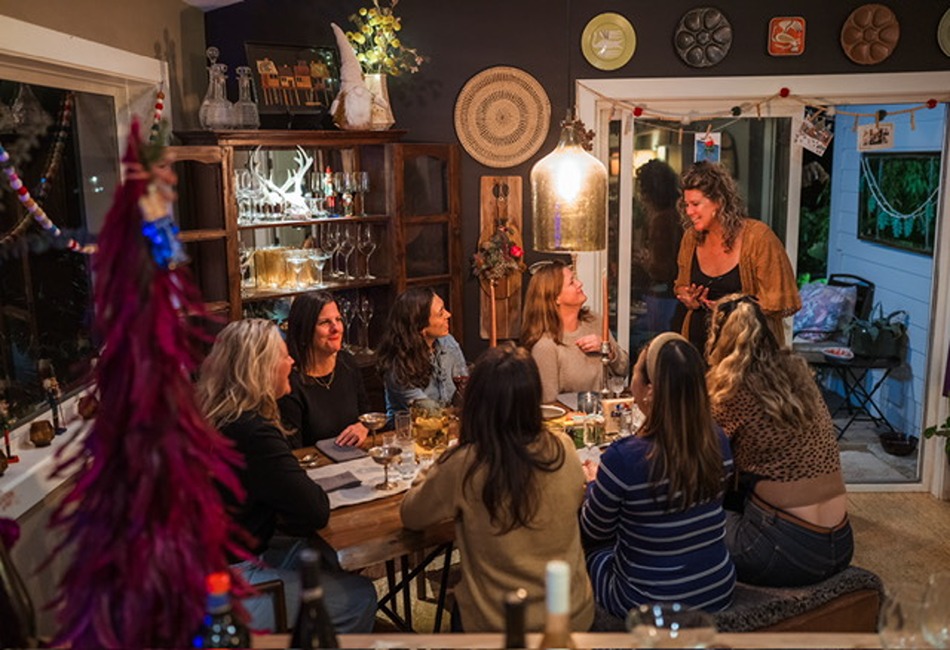
Annie lives in Charleston, South Carolina, and is a retired personal chef who has broken into the travel industry after 25 years of almost full-time travel. Annie has started a supper club in Charleston called La Bouche Voyageuse (The Traveling Mouth). She hosts a dinner club at her house where guests drink and dine from around the world. She also offers a lowcountry culinary tour in Charleston or custom culinary excursions for her clients.
How would you describe the current state of culinary tourism in the U.S.? Is demand growing, leveling off, or evolving in new ways?
Culinary tourism in the U.S. is growing incredibly fast thanks to multiple reasons. First, the exposure to images of beautiful and delicious culinary art is magnified due to platforms such as Instagram. Restaurants, food, wine, cocktails, and “food experiences” are reaching people who have no idea what’s out there. There’s an influx of travelers that are not just visiting other states for beaches, mountains, history, and activities, but for food ALONE. The demand is growing. Travelers want history, architecture, music, and culinary experiences all in the same cultural and artistic-themed trip. They also want high-adventure day excursions and divine culinary experiencesat night. Specialty cocktails, wine tastings,and local and authentic food experiences.
Start planning unforgettable trips—read the February edition and subscribe for future updates.
Compared to five years ago, how have traveler expectations around food-focused tours changed?
I think travelers expect more diverse types of food tours. For example, my city of Charleston, South Carolina, offers so much more of an experience than ever before. Now, you can experience a historical method to oyster roasts out on a local island by boat, or a smoked pig BBQ out on a plantation or Farm held by a local multiple-generational family and out on their property. Also, cocktail tours that are true Alchemy. Folks are no longer satisfied with ” a good strong drink from a local distillery or brewery,” they want cocktails that smoke, in-house dried fruit, and mixers, preferably organic and local. Plus, distilleries are expected to offer behind-the-scenes tours. The traveler today wants to see where you grew it, how you made it and taste it all in one go.
Are travelers more interested in food as the primary reason for travel, or as an enhancement to a broader itinerary?
People are traveling to EAT. They don’t need any other reason to go or anything else to entertain them. Real foodies will take off work, travel to the other side of the country with multiple means of transport to get a cool food experience. Food TV chefs that travel, such as Anthony Bourdain, have inspired travelers to eat anything from “pig ear sandwiches” in the south to “tongue omelet” in NYC. The food itself IS the activity they’re looking for.
Are you seeing increased interest from first-time group travelers, solo travelers, or younger demographics?
I’m seeing all types of culinary travelers, and they all have their specifics to what makes it a great experience. For the groups of foodie travelers, I’m designing trips that are more farm to table, outdoor events, and social food experiences, but not as much on the technical side since it’s more enjoyable to simply be with the group, getting to know each other while simultaneously dining on delicious food and being able to talk about it together and be relational.
Start planning unforgettable trips—read the February edition and subscribe for future updates.
Are regional or hyper-local food experiences outperforming classic destinations like wine country?
Absolutely. California used to be the only real high-end, all-around culinary tour experience. You could bike or drive Napa Valley or Sonoma and add hiking to go along with all the exceptional dining in that area. Or the big cities like NYC, Chicago, and NOLA have great food scenes, plus shopping and music. Now, Yellowstone with a stunning dinner along the river on a campfire with gorgeous wine or Lobster in Martha’s Vineyard or Cape Cod on the beach with white table cloths and candlelight.
What are the biggest operational challenges in running food-focused overnight tours today?
Well, I don’t think there are really too many challenges with overnight tours. The logistics, of course, are time-consuming, but as long as everyone is staying in the same accommodation and eating at the same establishments and/or taking the same tours, it’s pretty easy. I guess the biggest hangup is with food allergies and dietary restrictions. A tour advisor or culinary travel professional wants to be sure that every guest has something delicious that they can eat and enjoy and feel well while traveling.
Which U.S. regions or destinations are seeing the strongest growth in culinary? What culinary travel trends do you expect to shape group tours over the next 2–3 years?
Cities that either continue to grow in a culinary scene or are starting to get recognized are Austin, Portland, Maine, Nashville, Charleston, and Louisville. I have a strong sense that not only will the cities that already boast incredible food scenes continue to grow, but also become more fine dining, with Michelin stars popping up here and there. Food for Health is really starting to become big business with health retreats, yoga groups, small travel groups that are interested in learning how to eat well, and “food for healing” type of experiences. Guests are searching for adventures, spa vacays, and educational getaway trips that focus on juicing, vegan/vegetarian diets, whole food diets, weight loss retreats and all organic and seasonal farm stays with cooking classes. Our up-and-coming and current travelers want to feel well and look good. They’re willing to travel and pay to see and feel results. Clients are looking for yearly or even quarterly “resets” for the mind and body. Think of Farm stays all over the country where guests get close to where their food comes from, how it makes them feel, and allows them to disconnect from the busyness of their everyday lives. Focusing on beautiful food, healthy diets, and connecting to the land and water.
For more information, visit themodernwanderer.net
Start planning unforgettable trips—read the February edition and subscribe for future updates.