Izu Peninsula
Duration: 9 Days / Meals: Breakfast daily (excluding day 1), 1 dinner / Price: From U.S. $4,088 – U.S. $4,940
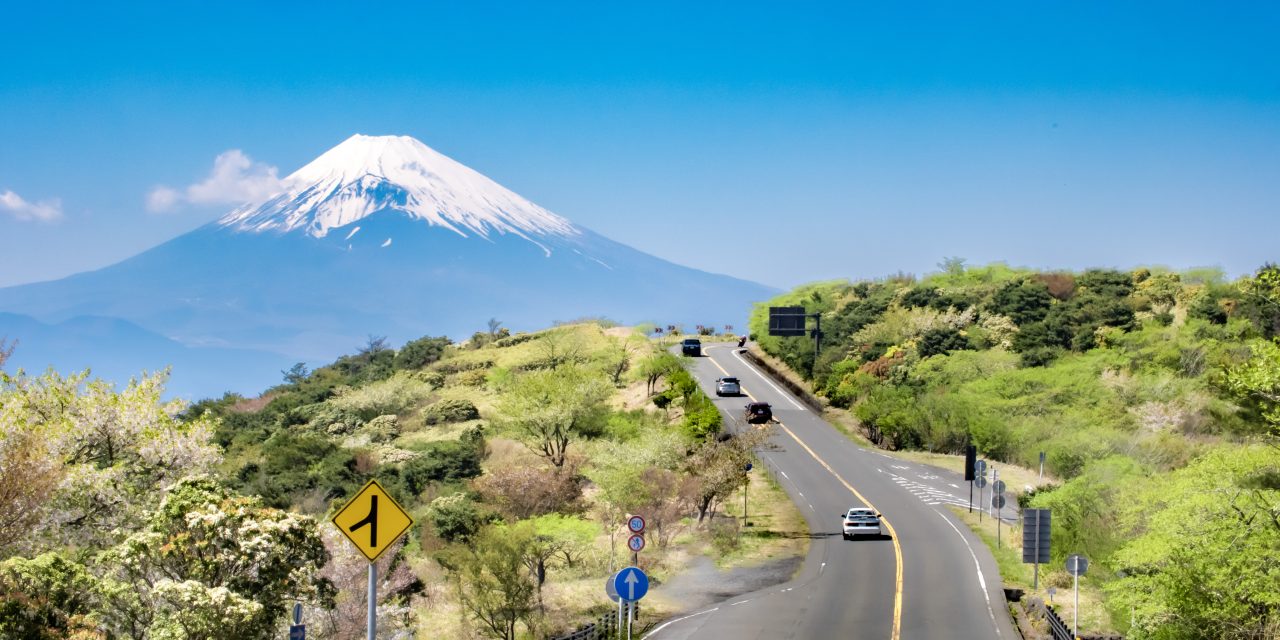
Experience the best of Japan while venturing beyond the country’s most famous cities. Goway’s Essential Tokyo & Kyoto: The Fuji Coastline Route combines the energy of Tokyo and the timeless beauty of Kyoto with the scenic landscapes, hot springs, and rural charm of the Izu Peninsula and Shizuoka. Along the way, travelers encounter bustling markets, peaceful shrines, traditional onsen, green tea fields, and unforgettable views of Mount Fuji. Designed as a FIT package that can be customized and priced for groups, the itinerary gives travelers a chance to see some of Japan’s iconic highlights while discovering a quieter side of the country.
Day 1: Arrive in Tokyo
Welcome to Tokyo, one of the world’s great cities and a fascinating blend of tradition, technology, food and pop culture. Upon arrival at Haneda Airport, travelers transfer to their hotel in the Minato and Bay area. The Shiba Park Hotel provides a comfortable home base for the first three nights of the journey. With the remainder of the day free, travelers can relax after their flight or begin getting acquainted with Tokyo at their own pace.
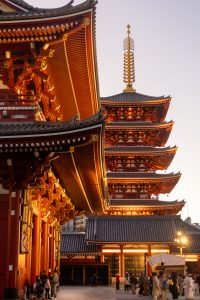
Sensoji Temple
Day 2: Tokyo Highlights Tour with Tsukiji Outer Fish Market
Start the Tokyo experience with a private guided tour using the city’s efficient subway and train system. Begin at Sensoji Temple, Tokyo’s oldest Buddhist temple, where travelers can explore the temple grounds before strolling along Nakamise shopping street. Lined with shops selling souvenirs, crafts, and snacks, the street is a lively introduction to Japanese culture.
Continue to Tsukiji Outer Fish Market, where food stalls and small restaurants offer everything from fresh seafood to traditional Japanese specialties. It is an ideal place to explore at lunchtime, and travelers can choose from an array of restaurants and food vendors.
Cross the city to Shibuya Crossing, one of Tokyo’s most recognizable landmarks and a bucket-list experience for many visitors. Take in the neon signs and famously busy intersection before visiting nearby Hachiko Square. Then trade the energy of Shibuya for the peaceful surroundings of Meiji Shrine, located inside a forested area that makes it easy to forget you’re in one of the world’s largest metropolitan areas.
Return to the hotel or continue exploring Tokyo independently.
Day 3: Tokyo at Leisure
The itinerary is open for travelers to discover Tokyo on their own. This flexible day allows groups to customize the experience based on their interests, whether that means shopping, food, museums, neighborhoods, or additional cultural experiences.
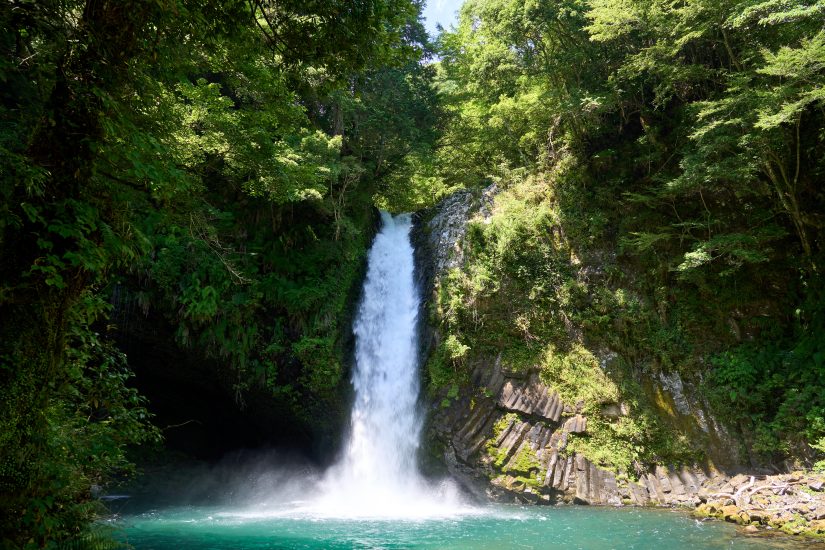
Joren Waterfall
Day 4: Tokyo to the Izu Peninsula: Ocean, Onsens and Wasabi
Depart Tokyo and travel by private vehicle toward the Izu Peninsula, a quieter and less-explored region between Tokyo and Kyoto. The first stop is the Kadowaki Suspension Bridge along the dramatic Jogasaki Coast, part of the UNESCO Global Geopark and Fuji-Hakone-Izu National Park. Take a leisurely walk along the rugged coastline while enjoying sweeping views of the Pacific Ocean.
Continue to Kawazu, known for its early-blooming cherry trees and charming local atmosphere. Depending on the season, travelers can see the town’s famous cherry blossoms or stop at Mine Onsen Fountain Park, where a geyser erupts several times a day, and visitors can enjoy a relaxing foot bath.
Continue to Joren Waterfall, the tallest waterfall in the Amagi Mountains. The area is surrounded by vivid green wasabi fields, offering an opportunity to see one of Japan’s distinctive agricultural traditions. If time permits, visit the Ikadaba wasabi fields for a closer look at traditional wasabi farming.
Settle into the Izu Marriott Hotel Shuzenji, surrounded by forest and natural scenery. Travelers can unwind in the property’s public hot-spring onsen bath and hot-stone spa or enjoy a relaxing evening in this peaceful part of Japan.
Day 5: Shuzenji Onsen and Mishima
Spend time exploring Shuzenji Onsen, one of the region’s charming hot-spring towns. The slower pace provides a welcome contrast to Tokyo’s excitement, with cafés, restaurants, and traditional scenery creating an opportunity to experience a different side of Japan.
Continue to Mishima, where travelers spend the night at the stylish Fujisan Mishima Tokyu Hotel. The hotel offers convenient access to Mishima Station as well as breathtaking views of Mount Fuji and a magnificent rooftop open-air bath.
Enjoy the remainder of the day at leisure and soak in the scenery surrounding the Fuji region.
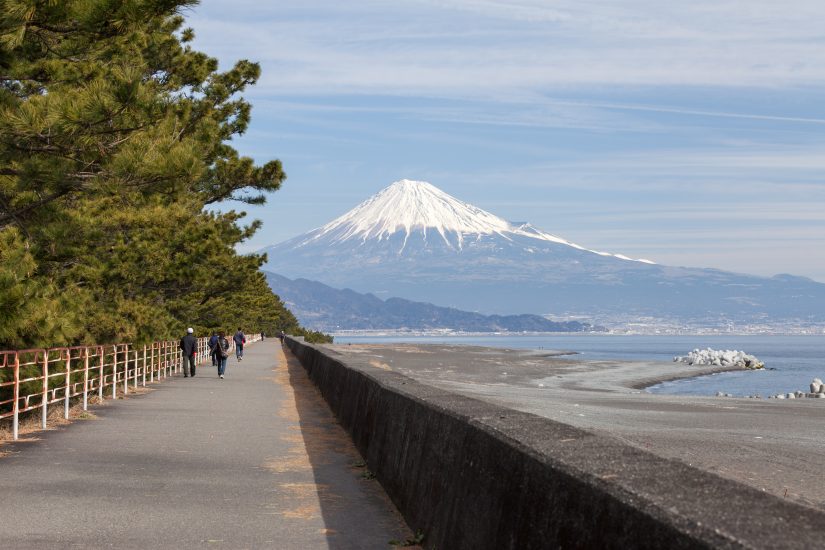
Day 6: Mishima to Kyoto with Scenic Mt. Fuji Views in Shizuoka
Travel toward Shizuoka via train. Shizuoka is a region particularly well known for its spectacular views of Mount Fuji and its connection to Japanese green tea. Begin at Nihondaira Plateau, where panoramic views stretch toward Mount Fuji, the port city of Shimizu, and Suruga Bay.
Ride the Nihondaira Ropeway to the summit and visit Kunozan Toshogu Shrine, dedicated to Tokugawa Ieyasu, the first shogun of the Edo period. Then visit Nihondaira Yume Terrace, an observation facility designed by renowned Japanese architect Kengo Kuma.
Continue to Nihondaira Ocha Kaikan, where travelers can visit a green tea farm and enjoy one of the area’s lesser-known Mount Fuji viewpoints. During the appropriate season, tea-leaf picking can also be experienced.
The final stop is Miho no Matsubara, a 30,000 pine tree-lined beach along Suruga Bay. With Mount Fuji, the sea, and thousands of pine trees creating a picturesque landscape, it is an ideal final look at the mountain before continuing to Kyoto.
Board the train toward Kyoto and settle into the next chapter of the journey.
Day 7: Kyoto’s Golden Highlights
Begin exploring Kyoto, Japan’s cultural heart. The day includes some of the city’s most celebrated landmarks, including Kiyomizu-dera, known for its enormous wooden stage and panoramic views.
Another celebrated site, the famous Fushimi Inari Shrine, sees millions of visitors every year.
Continue to Kinkakuji Temple, the famed Golden Pavilion. Covered in gold leaf and surrounded by gardens, the temple is one of Kyoto’s most recognizable sights.
Visit Kitano Tenmangu, a historic shrine associated with scholarship and learning. The surrounding area provides another glimpse into Kyoto’s layered history and traditional culture.
Day 8: Kyoto at Leisure
Travelers have a free day to explore Kyoto according to their own interests. The day can be customized with additional excursions, cultural experiences, shopping, food tours, or simply more time discovering the city’s temples, gardens, and neighborhoods.
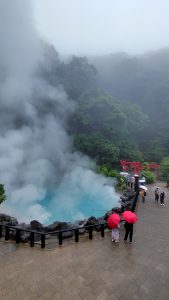
Beppu, Japan
Day 9: Depart Kyoto
The journey concludes in Kyoto, where travelers transfer for their departure. After nine days of bustling city streets, tranquil temples, rural landscapes, hot springs, and unforgettable views of Mount Fuji, guests depart Japan with a deeper appreciation for the country’s remarkable contrast between modern energy and timeless tradition.
Get the insights and inspiration group travel professionals need—delivered to your inbox every Friday morning.
Contact Groups Only Experts