Top tour operators share the techniques they use to turn historical sites into unforgettable experiences
For many travelers, the word history conjures up painful memories of classroom lectures, textbooks and endless memorization of names and dates.
For more travel ideas, you can Download the Magazine and Subscribe to Leisure Group Travel for FREE
But ask successful tour operators how they keep their guests engaged on history and heritage tours and you’ll hear a different philosophy. According to some operators, history tours aren’t necessarily about history, they are about telling good stories.
And sometimes, they are even about turning a guest into a doomed French king.
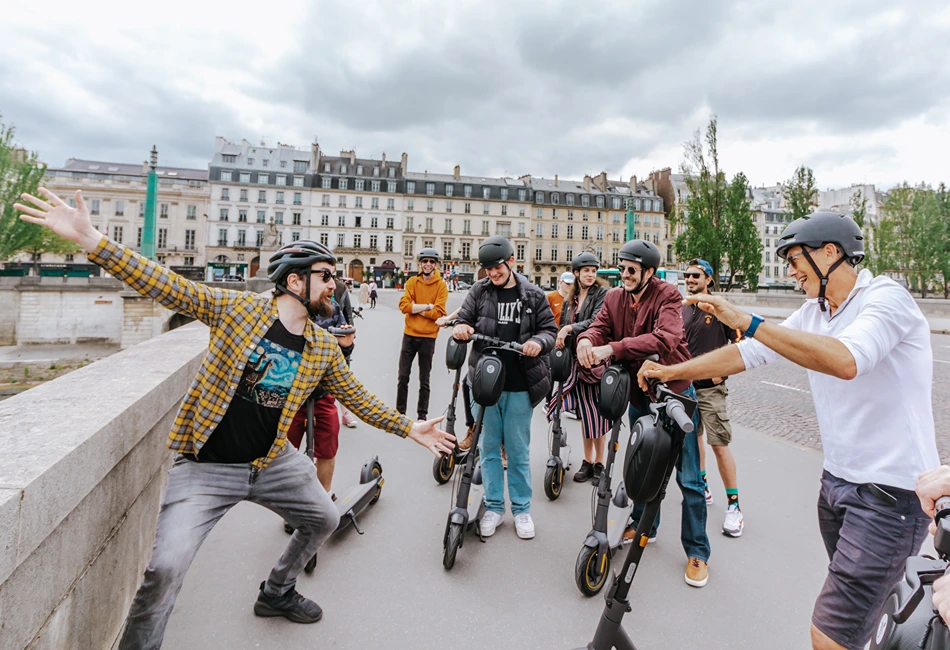
“Today, Bob, you will be King Louis XVI,” said guide Mark Daly, of Badass Tours, when describing one of his favorite techniques. “You’re gonna have a rough day. (King Louis XVI was executed by guillotine in 1793).”
That kind of humor and participation instantly changes the dynamic of a history and heritage tour. Guests stop feeling like listeners and become part of the story.

A sense of authenticity can transform a tour.
Tourpreneur community shares their thoughts
To get a sense of how tour operators keep history and heritage tours interesting, Leisure Group Travel queried the global Tourpreneur community on Facebook. Tourpreneur is the largest global community of tour and activity operators.
Among that group, guides repeatedly emphasized that travelers appreciate people far more than timelines.
“We’ve found that people connect with stories far more than dates and facts,” said Brandon Mimms, CMO at Tripshepherd & See Sight Tours. “When guests can relate historical events to real people, local culture, or places they’re standing in, engagement goes up dramatically.”
That ability to link the past to the present is increasingly important as heritage tourism grows in popularity. The challenge for tour operators is making those stories feel alive.
For Maria Oskroba, of Pierogi & More, the breakthrough came when she stopped relying solely on historical interpretation and started sharing her own family history.
“My family has lived in Warsaw for 100 years,” she explained. “I simply add some family stories about how my ancestors participated in historical events and even show pictures from the family album. At first, I felt uneasy about doing this, but then all my reviews mentioned it was the highlight of the tour.”
That sense of authenticity can transform a tour. Guests may forget the date a war started, but they remember hearing how a guide’s grandfather survived it.
Several operators said successful heritage tours also rely heavily on helping travelers see themselves in the story.
“I focus much of my work on humanizing people from the past,” said Fayge Lillis of Offbeat Philly. “Through discussion, questions and storytelling, I encourage people to see themselves in historical events and then apply what they learn to the present day. I have also found that people really appreciate a deep knowledge of history. What a lot of guides get wrong is it isn’t about giving guests all the facts you know it’s about using those facts to create real and interesting interpretations.”
Scooter Marriner, of Oakland Scenic Walking Tours, takes a similar approach by linking historical struggles to modern life.
“I link the historical with the contemporary. People in the past were dealing with many of the same issues we face today,” he said. “They struggled for security, meaning and comfort in their lives just as we do. What were their responses? What can their struggles and solutions help us to see in our lives?”
“People don’t come to Greece for facts. They come because the myth makes them feel like they’re in on some shared secret, give a moment of recognition and even homecoming, validating their geeking,” said Maria Petrenko of Santorini by Maria. “The best local history tours don’t fight that — they use it. I let guests start with the story they already want to believe, and then I show them the living thing underneath it. That’s when history actually comes alive.”
The consensus among tour operators was clear: history is only boring when it feels distant.
Entertaining the guests
For many guides, making history relevant is more important than barraging guests with information. In fact, several operators argued that entertainment skills are just as important as historical expertise.
“Tour guides are entertainers, not historians,” said Daniel Morris, of Alaskan Sights and Bites.
That doesn’t mean accuracy isn’t important. Rather, it means guides should interpret history in ways that feel accessible.
Kaitlin Calogera, founder of A Tour of Her Own, described tours as a form of public history that allows guests to experience the past through food, music and art.
“Most people are used to classroom history like teachers, textbooks, dates, and names. Tours are different because they are a form of public history which celebrates interesting places – making tours more approachable and less boring to everyday people,” Calogera said. “History becomes a feeling when it’s not lectured at you, but rather, experienced together.”
Operators also stressed the importance of creating immersive sensory moments. Robert Brennan uses physical props, including a beaver pelt, whale ship prism light and carved whale tooth, to make stories tangible. Stanley O’Connor, of Isle of New York Tours, believes standing in historic spaces creates an emotional impact no classroom can replicate.
“History is sometimes just words on a page. But a history tour takes you to the exact spot it all happened,” O’Connor said. “And when you can touch, feel and see a historic space or item, it becomes real for you. Palpable. You’ll never forget it.”

Guides emphasize that travelers appreciate people far more than timelines.
Connecting with the guests
The consensus among tour operators was clear: history is only boring when it feels distant.
“Ultimately, helping guests get excited to learn is all about connection,” said Trinidad Collier of Northern Epics. “Cool facts are only cool when people connect the dots in their heads and start to infer things about the destination themselves. When people feel like their guide truly cares about them, and they’re having fun, they’re able to take in the information and play with it better. First impressions matter. Guests don’t often remember the first impression, but it creates the lens through which they’ll view the rest of the tour and what they’ll pay attention to.”
Main photo courtesy of Badass Tours Paris
For more travel ideas, you can Download the Magazine and Subscribe to Leisure Group Travel for FREE