Entrance fee hikes for foreign travelers at Bryce Canyon and Zion National Parks may create a ripple effect in the state’s economy
By Randy Mink
Effective January 1, 2026, international visitors to 11 of the most popular U.S. national parks must pay a surcharge to enter. The new $100 per-person fee for non-residents 16 and older, announced last November by the Department of the Interior and National Park Service, is on top of the standard admission price of $35 per vehicle.
Start planning unforgettable trips, read the February edition, and subscribe for future updates.
Two of the designated parks, Bryce Canyon and Zion, are in southern Utah, a region that relies heavily on international visitors. Utah’s three other national parks, Arches, Canyonlands, and Capitol Reef, do not impose the surcharge.
Businesses and tourism officials in gateway towns bordering the 11 high-traffic parks are expressing concern about the substantial fee hike that international travelers now face.
Lance Syrett, of Ruby’s Inn Family of Hotels in Bryce Canyon City, says the international surcharge at the neighboring national park probably will hurt hotels and other businesses in town.
“Our main issue,” he says, “is that about 50% of our total business comes from international tourists, and about 50% of those come via bus/motorcoach tour, so even a minor reduction in international travel causes a major impact. We already saw the impact this past summer of tariffs and other rhetoric, where a significant number of our guests chose to stay home. With this significant price increase for international visitors, it canonly exacerbate the problem we saw last summer.”
Tour companies are also concerned about the changes being imposed on international visitors. Jeff Roy, executive vice president and chief revenue officer of Collette, says, “We worry about the cumulative effect these policies may have on travel to the United States. International tourism is a critical economic driver for gateway communities, small businesses, and the broader tourism ecosystem, and anything that discourages inbound travel has real downstream impacts.”
Start planning unforgettable trips, read the February edition, and subscribe for future updates.
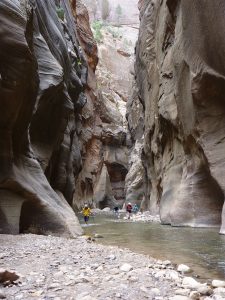
Hikers at Zion National Park navigate water and rocks in the Narrows. Photo courtesy of NPS/Marc Neidig
Price increases
At a time when the U.S. is competing fiercely for global visitors, the International Inbound Travel Association (IITA) is working hard to explain the new price increases, saysLisa Simon, IITA’s executive director.
“Inbound tour operators understand national parks need funding to protect natural resources and provide exceptional visitor experiences,” Simon states, “but what they’re struggling with is the pace and layering of new fees on international visitors and the timing of the fee announcement. The reality is that many international trips–particularly group tours–were sold 12 to 18 months ago at fixed prices, and the fee amount was just announced in late November to go into effect January 1. Operators can’t simply go back and reprice those tours.”
Ruby’s Inn’s Syrett also criticizes the timing of the fee hike.“Most of our bus tours have been contracted for some time. Most of them are already on sale for up to 18 months in thefuture. When an increase of this size is announced with only sixweeks to implement it, it shows a lack of understanding of how tours are priced and contracted.”
Asked if his hotel group has had cancelled tours, Syrett said, “We have had a significant number of cancellations of bus tours, and many of our tour operator partners say that we might receive a lot more depending on how early sales go. Beyond that, there is an obvious suppression in new bookings that we should be receiving right now. My hunch is that many of the tour operators arein a wait-and-see approach to see how current contracted series and groups sell and then decide if they want to book more.”
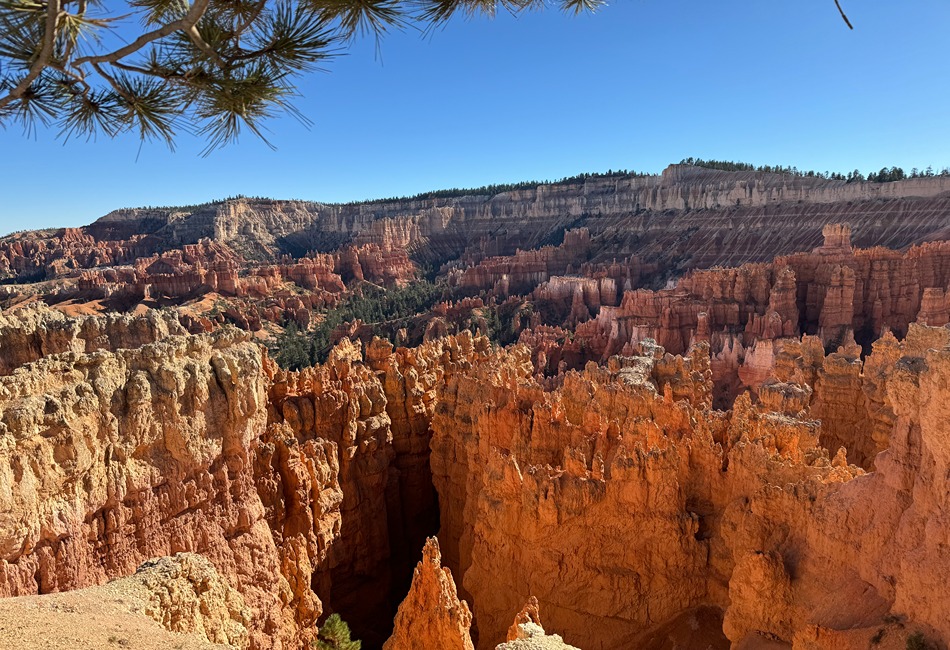
Bryce Canyon National Park. (NPS Photo)
Non-Resident Pass
Ruby’s Inn Family of Hotels includes historic Ruby’s Inn (established in 1916), Bryce View Lodge, Best Western Plus Bryce Canyon Grand Hotel, and Ruby Inn’s RV Park & Campground.
Besides Bryce Canyon and Zion, the other designated parks imposing the international surcharge are Acadia, Everglades, Glacier, Grand Canyon, Grand Teton, Rocky Mountain, Sequoia & Kings Canyon, Yellowstone, and Yosemite.
As an alternative to paying the $100 international add-on, foreign travelers may purchase the America the Beautiful Non-Resident Pass ($250 for a year), which allows entry to multiple parks for all occupants of a private, non-commercial vehicle, or up to four individuals on a commercial group tour. The cost of the annual pass for U.S. residents is $80.
The new fee structure for national parks is part of the Trump Administration’s America-first agenda. In the words of Secretary of the Interior Doug Burgum, “These policies ensure that U.S.taxpayers, who already support the National Park System, continue to enjoy affordable access, while international visit or contribute their fair share to maintaining and improving our parks forfuture generations.”
The additional revenues will be invested back into the national parks, supporting upgrades to visitor facilities and essential maintenance. Many parks have maintenance backlogs, with issues ranging from trail repairs and crumbling bridges to outdated visitor centers. It’s been reported, for example, that Yellowstone alone needs more than $1 billion worth of infrastructure improvements.
In the world of international tourism, as some observers have pointed out, charging foreign tourists more than locals is not a new concept. In the Galapagos Islands, Ecuadorians pay a $30 entrance fee, while foreigners must shell out $200. At some U.S. state parks, furthermore, the cost is higher for out-of-staters.
Says Lance Syrett, “Though we do support the idea that international visitors should pay extra to visit our national parks, the amounts of the increase, and primarily, the timing of those increases, are what causes the most consternation.”
For more information on national park pricing, log on to https://www.nps.gov/planyourvisit/passes.htm or Recreation.gov.
Start planning unforgettable trips, read the February edition, and subscribe for future updates.
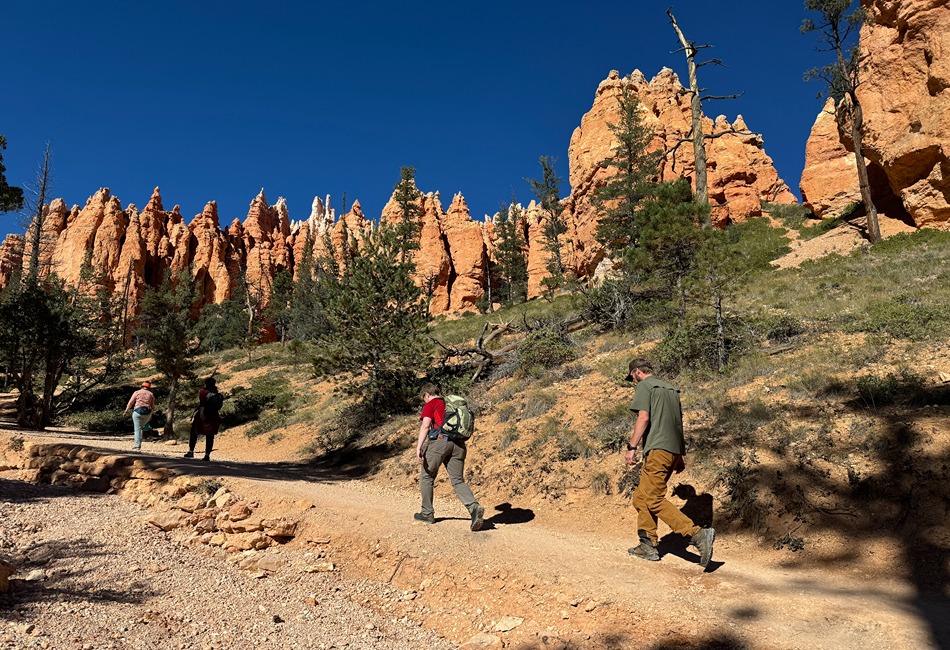
Lead Photo – Bryce Canyon National Park (Randy Mink Photo)