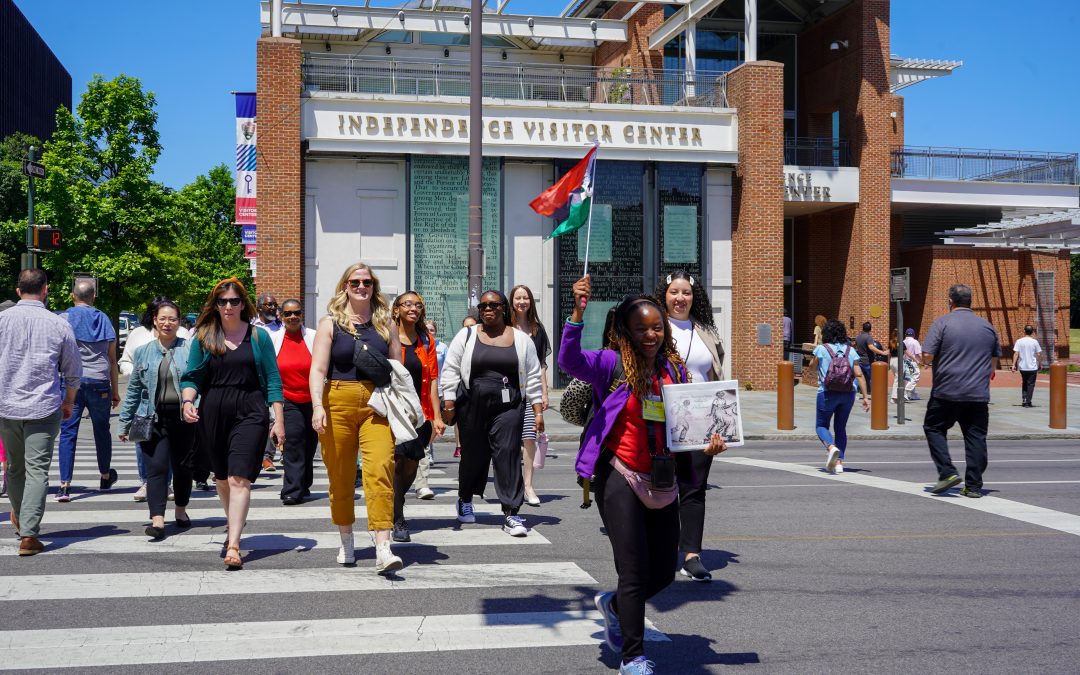

Planning a group trip takes more than booking flights and choosing a hotel. The best journeys run smoothly because the details are handled early, from communication plans to shared activities and backup options. Whether the trip involves friends, extended family, students, or a special-interest group, a strong plan helps everyone enjoy the experience without unnecessary stress.
One of the most useful steps before departure is setting up reliable ways to stay connected. Travelers often depend on public Wi-Fi in airports, hotels, cafés, and transit hubs, but convenience should never replace caution. When people need to check bookings, send updates, or access payment details on the go, privacy matters. For travelers who want to understand safe browsing options before departure, more information is available on ExpressVPN’s website. That kind of preparation fits naturally into a broader communication strategy, especially when groups split up during the day or move between several destinations.
Why communication should shape the itinerary
A successful itinerary should support easy coordination. That means choosing meeting points in advance, sharing daily schedules clearly, and making sure everyone knows how to reach the group leader if plans change. Government travel guidance on communication abroad offers helpful reminders about staying connected while outside your home country, and those ideas become even more important when several travelers need to move together efficiently.
Communication planning should also match the pace of the trip. A packed schedule with multiple transfers leaves less room for confusion than a relaxed beach holiday. If one part of the group wants museums while another prefers food tours or outdoor activities, everyone should know exactly when and where to reconnect.
Group-friendly ideas that keep everyone engaged
The strongest group trips balance structure with flexibility. Travelers should build a framework that includes key experiences while leaving room for personal choice. A practical way to do that is to organize each day around one anchor activity and then offer optional add-ons around it.
Useful ideas include:
- A walking tour on arrival day to help everyone get oriented
- One signature meal that brings the full group together
- Free time blocks for shopping, rest, or independent sightseeing
- A simple evening check-in to confirm the next day’s plan
For planners looking for inspiration, this collection of group itinerary ideas shows how different travel styles can be shaped into memorable experiences. It is especially helpful when building trips for mixed-age groups or travelers with different interests.
Small details that prevent big problems
Group travel often succeeds or fails on the smallest details. Printed backup confirmations, shared digital folders, luggage tags, and emergency contact lists may sound basic, but they save time and reduce tension. It also helps to assign informal roles within the group. One person can track transportation, another can manage dining reservations, and someone else can keep an eye on timing.
Travelers should also think about downtime. Not every moment needs to be scheduled. A well-timed break often keeps energy high and prevents decision fatigue, especially on longer trips with children or older travelers.
A better trip starts before departure
The most memorable trips rarely happen by accident. They come from thoughtful planning, clear communication, and a realistic understanding of how groups move and make decisions. When travelers prepare for both the fun and the practical side of the journey, they create space for better experiences. That means fewer rushed moments, fewer misunderstandings, and more time to enjoy the destination together.