For most kitchens, a huge tour group can be overwhelming. However, large operations take it in their stride and still deliver with accuracy. The National Restaurant Association said in its 2025 State of the Industry report that high-volume kitchens following standardized prep and workflow can reduce ticket times by as much as 25 percent.
In this article, you’ll learn some precise methods that lead to some kitchens’ operational speed, yet without compromising safety or quality.
Menu Design That Quietly Controls Your Wait Time
You might expect long menus to offer flexibility, but they slow everything down. Large kitchens design tight menus where dishes share core ingredients and cooking methods, reducing prep steps and speeding execution.
The rising desire for culinary tourism, where visitors want to taste local food but also get quick and well-organized service, is changing group dining in the industry today. Food travel is a trend that shows how places are moving to offer structured, experience-driven meals while still being able to serve a large number of people efficiently.
Fry Line Performance That Fries Real Speed Gains
A lot of times, your dish is influenced by how quickly the fry stations can heat up again after each round of cooking. Items such as fries and breaded proteins need very steady, high temperatures in oil so that they are cooked swiftly and evenly.
This is why some firms like Restaurant Supply are of interest, particularly when you compare commercial fryer recovery rates and filtration systems. Industry sustainability programs outline that proper oil management, accompanied by filtration systems, not only prolongs the life of the oil but also lowers the amount of waste generated by kitchen operations in commercial kitchens.
Kitchen Layout That Removes Bottlenecks Before They Happen
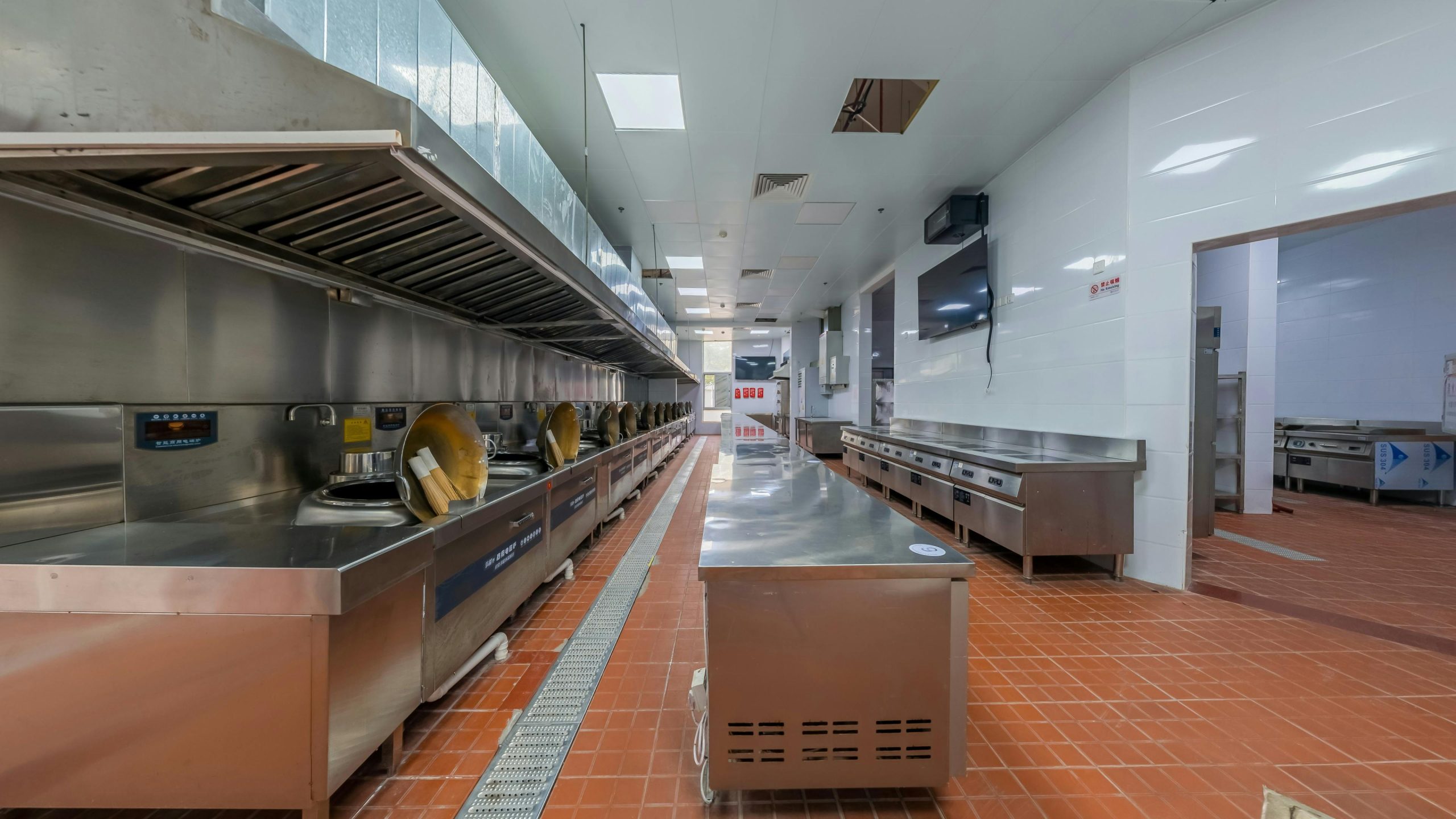
Rather than having a single cook perform all the tasks, large kitchens divide the jobs into different stations that operate one after the other. One station prepares the main dishes, another takes care of the side dishes, and yet another serves the food, thus maintaining a steady flow of orders without any interruptions.
Some specialists even believe that well-planned commercial kitchen layouts lead to better service and increased sales. If your meal is served quickly, it is likely that your order followed an orderly route rather than a cramped area.
Pre-cooking Techniques That Save Critical Minutes
Before you get there, a lot of your food is, in fact, already partially prepared. Batch cooking and par-frying, for example, are some of the methods used by kitchens that enable them to finish the dishes rapidly, even during a high-demand period.
ServSafe standards verify and support that pre-cooking with control methods in place can keep both safety and quality intact. At the end of the day, that works to your advantage as your meal is done fast without rushing the cooking of raw ingredients under pressure.
“If you’re in group travel, this is the kind of insight you want in your inbox.”
Subscribe for free
Why This Matters When You Travel in Groups
Not only are you served quickly, but in fact, you get to experience a whole system designed by upscaling and ensuring consistency. Every step, starting from menu designing to fryer performance, is perfectly set up to handle a large number of customers without slowing down.
If you run food service or group dining operations, start implementing these methods as soon as possible. Increasing speed is not a matter of rushing but rather the creation of a system that can be effective before the actual service starts.