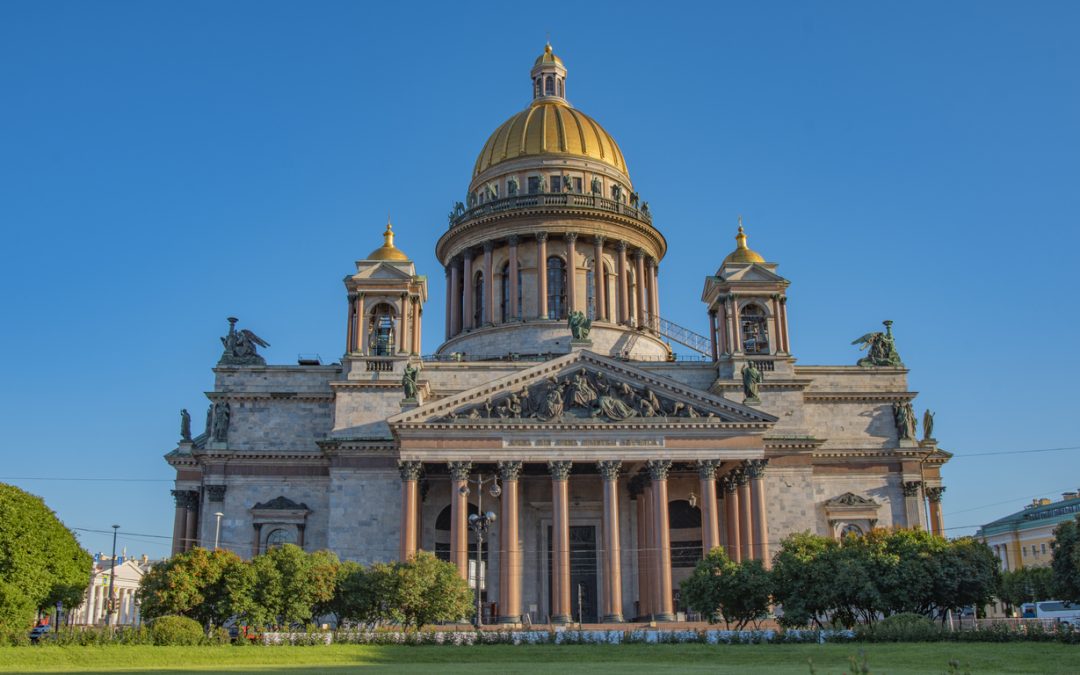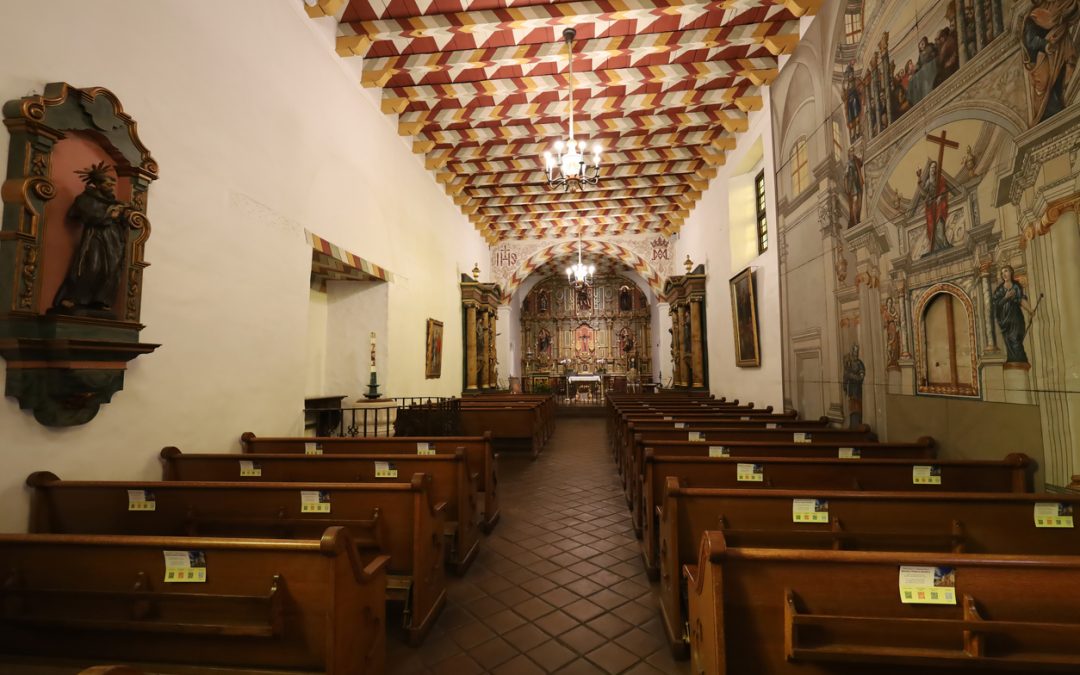
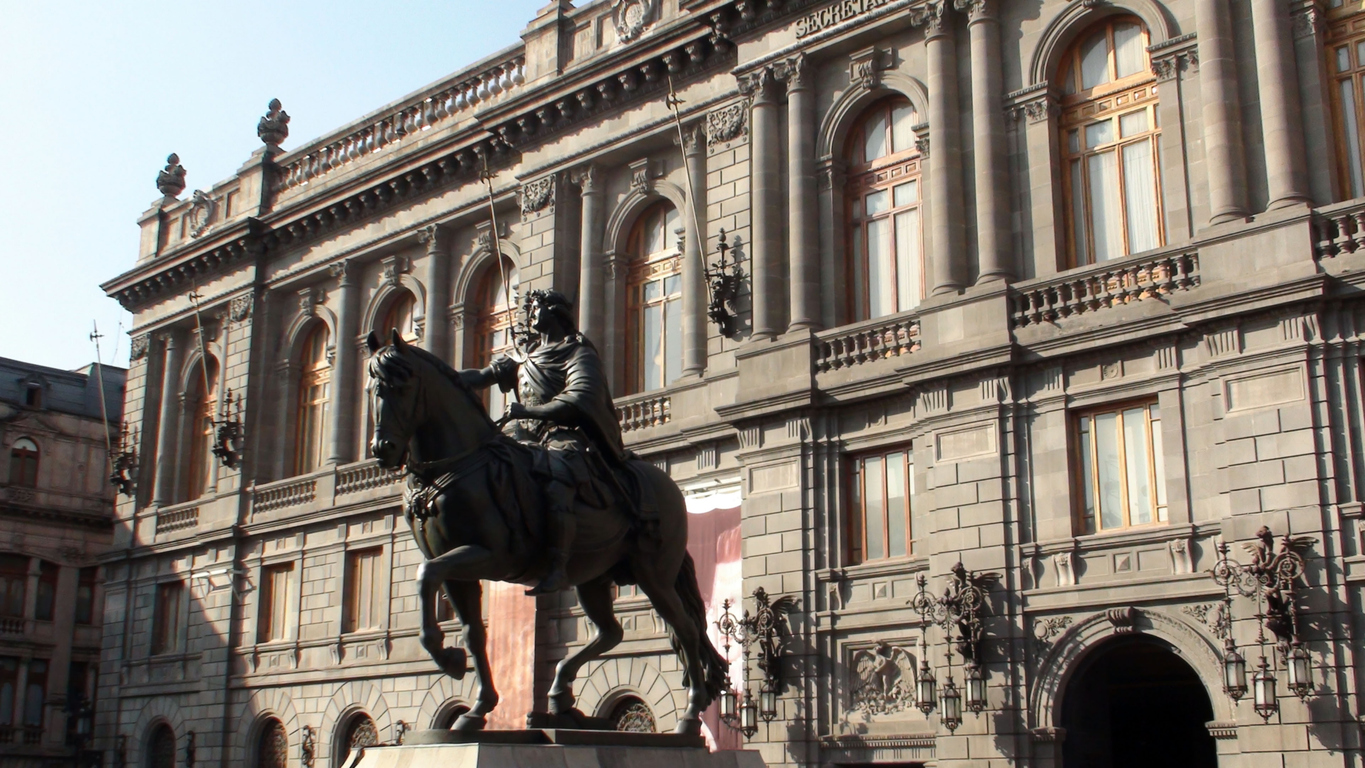
Looking for historic religious sites in Columbus? The city’s strongest faith-based stops include Broad Street United Methodist Church, Holy Cross Catholic Church, St. Joseph Cathedral, Annunciation Greek Orthodox Cathedral, Temple Israel, and the Columbus Ohio Temple. Together, they give visitors a compact look at Columbus through Catholic, Methodist, Greek Orthodox, Jewish, and Latter-day Saint traditions.
Columbus is not always the first city that comes to mind for religious travel, but its church and temple landscape is broader than many travelers expect. Downtown and the Near East Side, in particular, hold a cluster of sacred spaces that reflect the city’s 19th- and 20th-century growth. For groups interested in architecture, denominational history, or a multi-faith itinerary, Columbus offers a practical and worthwhile route.
Broad Street United Methodist Church
Broad Street United Methodist Church remains one of downtown Columbus’s most recognizable historic churches. The congregation dates to 1875, and the church today describes its home as a 19th-century Gothic Revival building on East Broad Street. Its setting in the Discovery District makes it especially easy to include on a city-centered itinerary.
The appeal here is architectural as much as devotional. The church retains the visual strength that made it stand out in the original article, and it still presents itself as a historic congregation rooted in the center of the city. For travel planners, Broad Street works well as a Protestant stop that pairs easily with nearby Catholic and civic landmarks.
Holy Cross Catholic Church
Holy Cross Catholic Church remains one of the essential historic churches in Columbus. The original article correctly treated it as one of the city’s foundational Catholic sites, and that remains the right way to frame it. Today, Holy Cross functions as part of The Community of St. Joseph Cathedral and Holy Cross, keeping it active as a worship site rather than only a preserved historic building.
For visitors, Holy Cross offers a more intimate Catholic stop than the cathedral. It is especially meaningful for groups interested in early Columbus church history and the growth of the city’s Catholic community.
St. Joseph Cathedral
St. Joseph Cathedral is the mother church of the Diocese of Columbus and one of the city’s most important religious landmarks. Its parish history traces the beginnings of the cathedral to 1866, with construction tied closely to the founding years of the Diocese of Columbus and Bishop Sylvester Rosecrans. The cathedral was consecrated in 1878 and remains the symbolic center of diocesan life.
Architecturally, St. Joseph still delivers what made it stand out in the legacy piece: a Gothic-style stone building with stained glass, arches, clustered columns, and a strong Broad Street presence. For many groups, it will be the anchor stop on any Columbus religious itinerary.
Annunciation Greek Orthodox Cathedral
Annunciation Greek Orthodox Cathedral adds an important Eastern Christian dimension to Columbus. The cathedral remains a major Orthodox presence in the city, and its annual Columbus Greek Festival continues to be one of the best-known public religious-cultural events in Columbus, returning each Labor Day weekend.
Even outside festival season, Annunciation broadens the city’s religious story. It gives visitors a different visual and liturgical tradition than the Protestant and Catholic sites downtown, and it helps make Columbus feel like a more genuinely multi-faith destination.
Temple Israel
Temple Israel is central to any discussion of Jewish religious history in Columbus. Its own history traces the congregation back to 1846, making it the oldest Jewish congregation in Central Ohio. Over time, the congregation moved through several homes, including its well-known Bryden Road and East Broad Street eras, before relocating to its current Broad Street campus in 2021.
That longer story matters more than any single building date. Temple Israel shows how Jewish life developed alongside the city itself, and it gives this itinerary an essential non-Christian stop rooted in more than 175 years of local history.
Columbus Ohio Temple
The Columbus Ohio Temple represents the city’s Latter-day Saint presence. The temple was dedicated in 1999 and rededicated in 2023, and it remains an important regional temple for members of The Church of Jesus Christ of Latter-day Saints.
Travel planners should note one important distinction: unlike churches, temples of the Church are generally not casual drop-in visitor sites, and the official temple page says there is no visitors’ center on site. That means it is best understood as a significant religious landmark rather than a standard touring stop.
Columbus works best as a religious destination when it is presented as a compact, multi-tradition city route rather than a general sightseeing roundup. Its strongest appeal lies in the variety of its sacred spaces, from Gothic Revival Protestant and Catholic churches to Orthodox and Jewish heritage, with a Latter-day Saint temple adding another layer. For faith-based groups, that gives Columbus a broader and more interesting profile than its legacy tourism copy suggested.