Discover immersive museums, historic landmarks, and living heritage sites that offer groups a deep connection
By Christopher D. Silbernagel
History comes to life in Arkansas, where nationally significant landmarks and immersive museums invite groups to experience its rich cultural heritage firsthand. Visitors can stand where the civil rights movement changed the course of history in 1957, explore the legacy of a former U.S. President, discover the roots of American music, and witness the traditions that have been passed down through generations. Each stop offers a deeper understanding of the people and the events that have defined the Natural State.
Explore Arkansas in depth with our Arkansas Group Tour Planner.

Little Rock Central High School National Historic Site
An important civil rights movement occurred in the fall of 1957 at Little Rock Central High School, when nine African American children attended the formerly all-white school to significant protests, including resistance from then Arkansas Governor Orval E. Faubus. Known as the Little Rock Nine, this led to President Dwight D. Eisenhower sending federal troops to quell white mob violence and protect African American civil rights.
A visit to the Little Rock Central High School National Historic Site will bring the experiences of those who lived it to life through ranger-led interpretive programs. These programs cover the desegregation crisis, including theBrown v. Board of Education decisions, and the Little Rock Nine, including stories and personal accounts, including those of renowned civil rights activist and Arkansas native Daisy Bates. Program tour routes include stops at Little Rock Central High School grounds, Magnolia Mobil Station, the Commemorative Garden, and the Elizabeth Eckford Bus Bench, named in honor of one of the Little Rock Nine students.
The ranger-led interpretive programs have a participant limit of 50 and require a reservation, which is recommended to be booked two months ahead. Reservations can be made for Tuesdays through Saturdays. There is also an additional self-guided walking program with accompanying audio and transcripts.
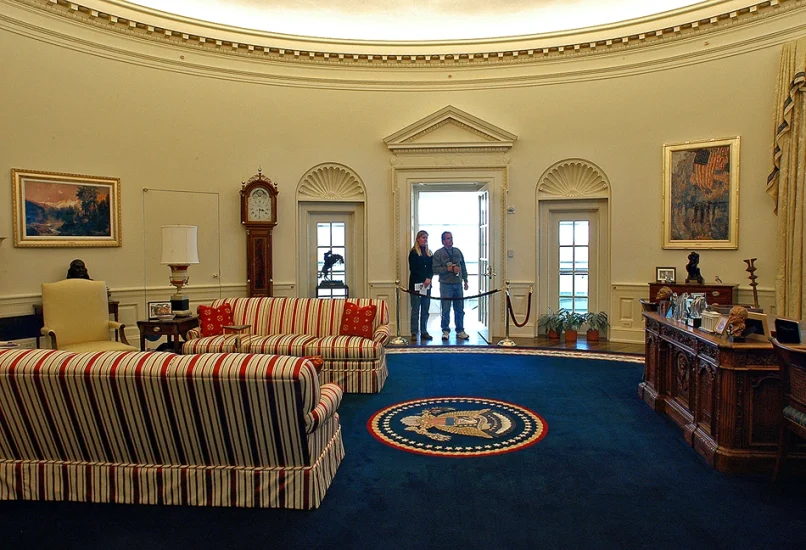
William J. Clinton Presidential Library and Museum
Named in honor of the 42nd President of the United States, the William J. Clinton Presidential Library and Museum in Little Rock serves as an educational starting point for pioneering Arkansas civil rights and the U.S. Civil Rights Trail. Permanent exhibits showcase Clinton’s defense of affirmative action and the creation of the Office on Racial Issues, among many others.
Interactive stations at the site trace the effects of the Clinton administration’s policies, with in-depth initiatives such as the Community Development Financial Institutions (CDFI) Fund and the New Markets program. Groups can review artifacts and documents that detail how federal legislation directly stimulated local economic growth by creating empowerment zones. Also on site are full-scale replicas of the Oval Office and the Cabinet Room, both of which demonstrate how specific legislative, economic, and foreign crises were navigated.
There are several types of group tours. For general tours, one is for adults with 20 or more participants, and the other is geared towards students. There is also a behind-the-scenes tour available, which brings visitors closer to the archives that preserve over 80 million pages of records and two million photographs. In addition to being able to see non-displayed artifacts, visitors can learn how the archival process functions.
Historic Arkansas Museum
Costumed exhibitors, interactive exhibits, and hands-on elements play a crucial role in bringing the 19th century to life in the compact Historic Arkansas Museum. This museum holds large-scale “living history” events throughout the year, such as the Frontier Fourth celebration on Independence Day and the spring Territorial Fair. These events allow guests to experience games from that period, alongside traditional dancing, crafts, and more.
Once per month, on the third Saturday, groups can experience Living Craft Saturdays, an experiential event that allows everyone to take on the role of an early resident. Interpreters will dress in period-style clothing to demonstrate crafts of the time, including printing in the Woodruff Print Shop, open-hearth cooking in the Brownlee House kitchen, and other 19th-century trades.
Learn more about history, culture, arts, and more with the museum guide.
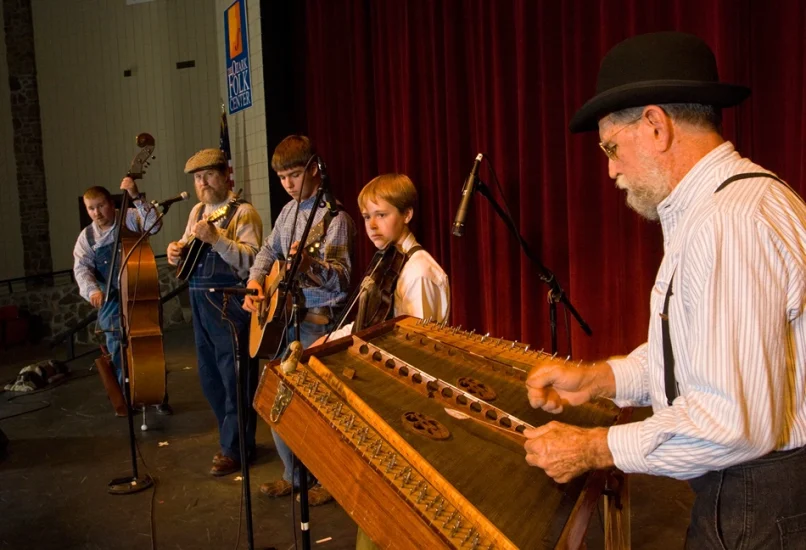
Ozark Folk Center State Park
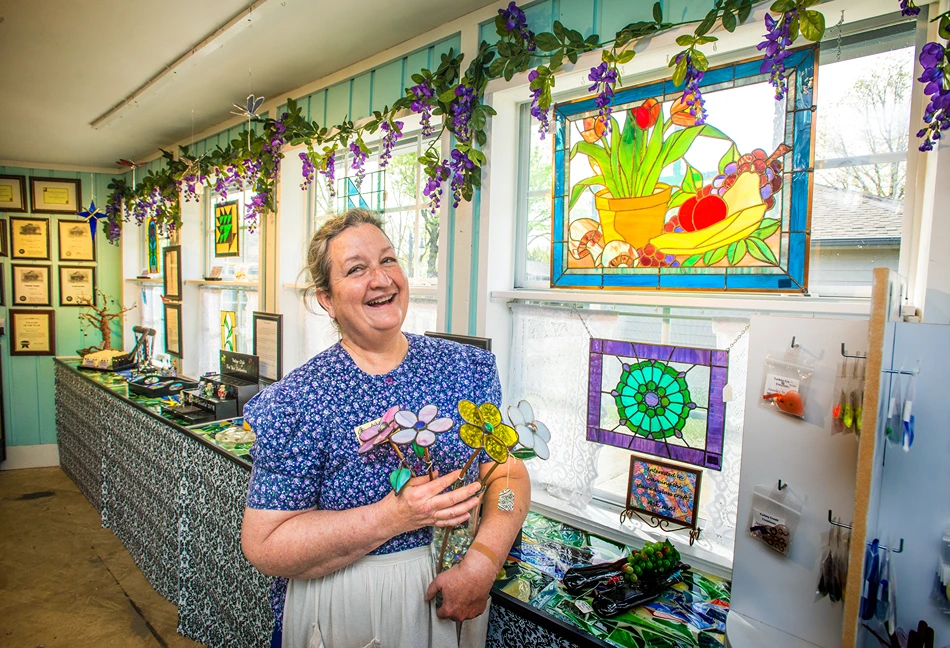
Located in Mountain View, Arkansas, Ozark Folk Center State Park is a living history site that is dedicated to keeping Southern Mountain traditions, music, and pioneering crafts actively alive rather than simply having them on display. The Craft Village has over 20 working artisans who create and sell handmade goods, including blacksmiths, leathercrafters, weavers, quilters, potters, and stained-glass artists. While paying a visit, your group may also see apprentices in training.
The Heritage Herb Garden allows visitors to learn about the native and medicinal plants used by the Ozark generations of the past and present. The layout consists of small, themed cottage gardens that are part of the overall layout of the Craft Village, with everything from cooking ingredients to plant-based clothing dyes being grown here.
Traditional music performances focus on music dating prior to the 1940s, with weekly square dances and music shows on offer.
Johnny Cash Boyhood Home
Speaking of music, the Johnny Cash Boyhood Home in Dyess, Arkansas, is a pivotal historical site that preserves both the roots of American music and President Franklin D. Roosevelt’s New Deal era. Growing up in this five-room, government-built home, a young Cash experienced poverty, family tragedies, and manual labor, which shaped his songwriting. The home and the adjacent Historic Dyess Colony Administration Building allow visitors to see period-appropriate furnishings, including the original upright piano that Cash’s mother played during his childhood.
The Dyess Colony that surrounds the home was the largest agricultural resettlement of its kind. It was originally established under the Works Progress Administration to provide land to unemployed and impoverished Americans. Today, the property is listed on the National Register of Historic Places.
Plantation Agriculture Museum
Explore the Arkansas Delta’s agricultural systems through hands-on exhibits and preserved historic buildings at the Plantation Agriculture Museum in Scott. Located 20 miles southeast of Little Rock, this museum interprets the era of cotton farming from 1836 to World War II, accurately showcasing how mechanization, sharecropping, and technology shaped the region.
The museum has plenty to learn about and experience firsthand, housing a preserved 1920s Continental Munger Gin, which is an automated, industrial cotton processing system, a tour of the restored Steele-Dortch Store and Seed Warehouse No. 5, listed on the National Register of Historic Places, and an expansive Historic Tractor Exhibit and massive steam traction engines to showcase how technology transitioned farmers away from more difficult labor. Staff host regular demonstrations of cotton ginning and water pumping, along with seasonal events like the Annual Antique Tractor and Engine Show in September.
History that inspires
From the defining moments of the Little Rock Nine to the music, craftsmanship, and agricultural traditions that shaped communities across the state, Arkansas offers groups a layered journey through American history. Each destination adds a different perspective, creating an itinerary that is educational and deeply engaging, inviting visitors to connect with the people and stories that continue to influence Arkansas.
Subscribe to Leisure Group Travel for our free guide and weekly travel ideas.