As the ABA celebrates its Centennial, it’s not just reflecting on a century of advocacy; it’s accelerating into an era of greener technology and smarter travel
By Jason Paha
Founded in 1926, the American Bus Association stands as the oldest, largest and most respected voice of the motorcoach and group travel industry. In 2026, ABA will proudly celebrate its Centennial, marking 100 years of connecting communities, shaping transportation policy and championing reliable and affordable travel for millions.
What began as a modest coalition of operators seeking fair regulation has evolved into a dynamic association representing every corner of North America’s motorcoach, group tour and travel ecosystem.
“ABA has played a pivotal role in shaping the motorcoach and group travel industry, not just through advocacy and education, but by fostering a strong sense of community among operators, suppliers, and partners,” said Alex Berardi, president of Trailways.com. “Personally, the ABA has been instrumental in helping me build lasting relationships and stay ahead of industry trends.”
Plan your next adventure with the December Leisure Group Travel edition. Subscribe now to stay inspired!
ABA Humble Beginnings
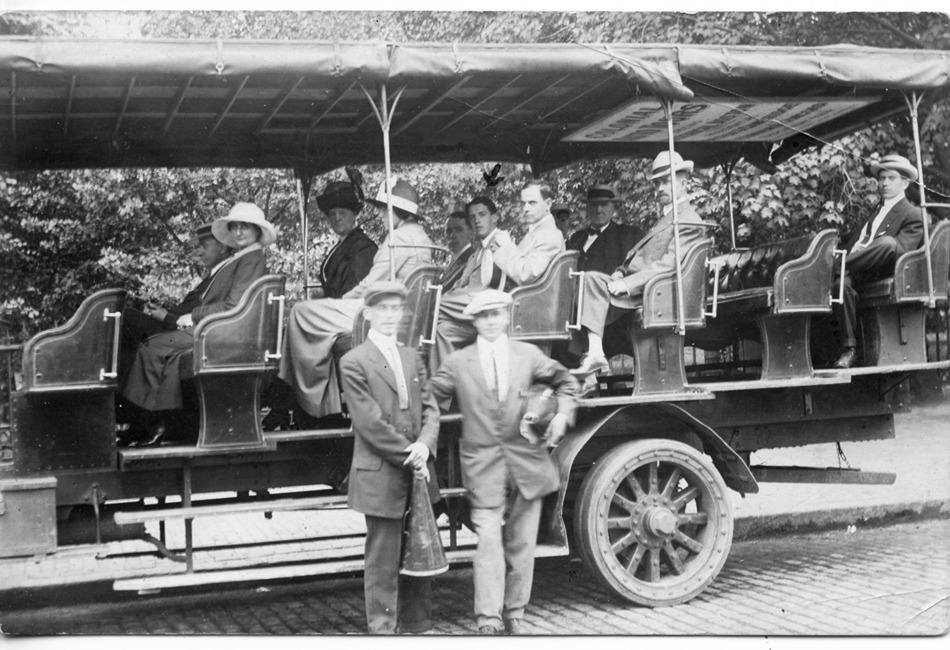
On March 19, 1926, the Bus Division of the American Automobile Association held its first formal meeting in Washington, D.C. The bus industry at that time faced mounting challenges: states sought to regulate interstate operators, railroads accused buses of stealing passengers, and Congress debated how to oversee this growing mode of travel. In response, AAA’s Bus Division united operators under one voice, later joined by other state and regional associations, to advocate for fair treatment and consistent federal oversight. Arthur Hill, a West Virginia bus company executive, was elected chairman, setting the tone for a century of leadership through collaboration.
By the early 1930s, the group had adopted a new identity as the National Association of Motor Bus Operators (NAMBO), complete with its first Code of Principles built on safety, reliability and comfort. After years of persistent advocacy, NAMBO members helped shape the Motor Carrier Act of 1935, which placed regulation of interstate motor carriers under the Interstate Commerce Commission. This achievement secured the industry’s legitimacy and set national standards that protected both operators and passengers.
Reinvention and Expansion
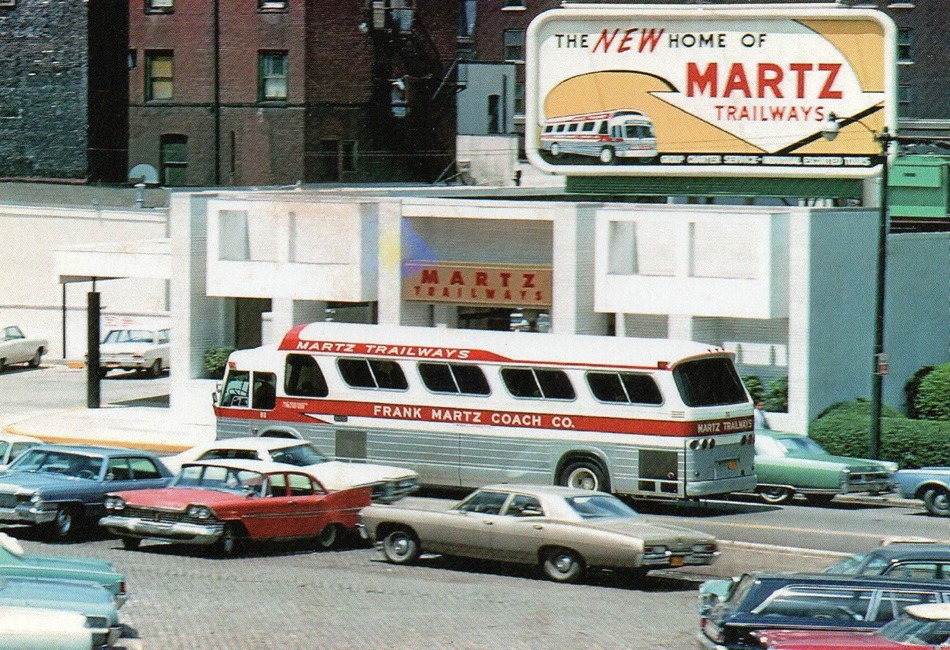
The 1960s and 1970s marked a period of reinvention. As leadership passed from Arthur Hill to Everett Hutchinson and then Charles Webb, NAMBO established a full-time government relations department, ensuring the industry’s voice was heard in the newly formed U.S. Department of Transportation. In 1977, NAMBO officially became the American Bus Association, a name reflecting the industry’s broad service to the traveling public.
Navigating Change and Building Community
The 1980s tested the industry with new regulatory changes, insurance crises, and the consolidation of major carriers like Greyhound and Trailways. Under the leadership of Norman Sherlock and later George T. Snyder Jr., ABA helped shape the Bus Regulatory Act of 1982, simplifying decades of overregulation and paving the way for a more competitive marketplace. ABA also launched initiatives like the National Bus ROADEO, highlighting professional driver excellence and safety.
The 1990s saw an evolution from advocacy alone to member empowerment and education. ABA expanded its partnerships with travel and tourism organizations, enhanced its annual Marketplace, and launched the Certified Travel Industry Specialist continuing education program. When Peter J. Pantuso became president and CEO in 1996, he championed the motorcoach as a vital player in an increasingly intermodal transportation landscape, ensuring it remained visible in national transportation policy discussions.
Today, Motorcoaches are Driving America Forward
In an era obsessed with efficiency and sustainability, the motorcoach is one of society’s unsung heroes. Each full coach takes up to 57 cars off the highway, cutting congestion, saving energy, and eliminating 44 million gallons of wasted fuel annually. With nearly 48,000 motorcoaches crossing North America, the industry delivers more than 455 million passenger miles per year, more than some airlines, while generating almost $158 billion in total economic impact.
From school groups and sports teams to corporate travelers and rural residents, the motorcoach is the quiet backbone of American mobility.
A Green and Accessible Solution
Beyond the numbers lies an even more impressive truth: motorcoaches are the most environmentally friendly form of passenger travel in the country. Averaging 206 passenger miles per gallon, they outperform planes, trains, cars, and even hybrids in carbon efficiency. Unlike air or rail, coaches go where no other form of public transportation can. For more than 14 million rural Americans, they’re the only reliable means of reaching jobs, healthcare, and family beyond city limits. Motorcoaches knit together the disconnected corners of the country, creating a transportation network that’s as inclusive as it is efficient.
The Gold Standard of Safety and Professionalism
Behind the wheel, safety is the industry’s guiding principle. The ABA has built a culture of accountability grounded in ethics, compliance and best practices. Every ABA operator must pass a rigorous vetting process before joining, and the association continues to push for stronger enforcement against illegal operators. Through initiatives like the Bus Industry Safety Council and the Certified Travel Industry Specialist program, ABA ensures that excellence isn’t just a goal; it’s a requirement. The result: bus travel remains the safest form of surface transportation in America.

Future of motorcoach travel
As the ABA prepares to celebrate its 100th anniversary, the motorcoach industry stands poised for a new era of growth and innovation. After years of steady recovery and rising demand for group travel, motorcoach tourism is benefiting from a renewed interest in community-based, sustainable travel experiences. More travelers are choosing organized group tours and charter trips that minimize environmental impact while maximizing social connection, two values increasingly prioritized by modern travelers. With new technologies improving route planning, fuel efficiency and onboard amenities, the motorcoach experience has never been more appealing or accessible.
The next chapter for motorcoach travel is also being defined by diversification and modernization. Operators across the country are investing in cleaner-burning engines, alternative fuels, and electric motorcoaches, positioning the industry as a leader in sustainable transportation. Enhanced safety systems, real-time tracking and digital booking platforms are improving both operational efficiency and customer confidence. At the same time, growing partnerships between motorcoach operators, destinations, and tour planners are expanding the reach of group travel, bringing economic benefits to more rural and mid-sized communities.
Looking ahead, the outlook is bright. As infrastructure investments continue and traveler preferences evolve, motorcoaches will play an increasingly vital role in America’s tourism ecosystem—connecting urban centers to small towns, heritage sites, parks and attractions nationwide. With its century-long legacy as the “face-to-face industry,” the ABA enters its second century with momentum and purpose, driving forward a mode of travel that remains affordable, energy-efficient and deeply human at its core.
“Looking ahead, I believe the ABA will continue to be a driving force in innovation and sustainability, helping our industry adapt to evolving traveler expectations while maintaining the high standards of safety and service we’re known for,” Berardi said.
Plan your next adventure with the December Leisure Group Travel edition. Subscribe now to stay inspired