Hawaiʻi is known around the world for its beaches, dramatic landscapes and resort experiences, but the islands also hold places of deep spiritual and cultural importance. For travelers interested in sacred sites of Hawaii, the most meaningful visits often involve Native Hawaiian places of worship, refuge, birth and memory, along with one notable Christian landmark that reflects another layer of the islands’ religious history.
Direct answer: Some of the most important sacred sites of Hawaii include heiau, birthing stones, petroglyph fields and puʻuhonua, each tied to Native Hawaiian history, spirituality and place. Visitors should approach them with respect, follow posted guidance and remember that many are still culturally significant today.
Puʻukoholā Heiau National Historic Site
Puʻukoholā Heiau on Hawaiʻi Island is one of the last major heiau built in Hawaiʻi before outside influences permanently changed traditional life. The National Park Service says it was constructed in 1790–1791 by Kamehameha I and played a crucial role in his rise to power, which is why the site is often linked with the unification of the Hawaiian Kingdom.
For visitors, the power of Puʻukoholā lies not only in its scale but in what it represents. The structure still stands as a major sacred and political symbol, and GoHawaii describes it as one of the largest restored heiau in the islands.
Kūkaniloko Birthstones
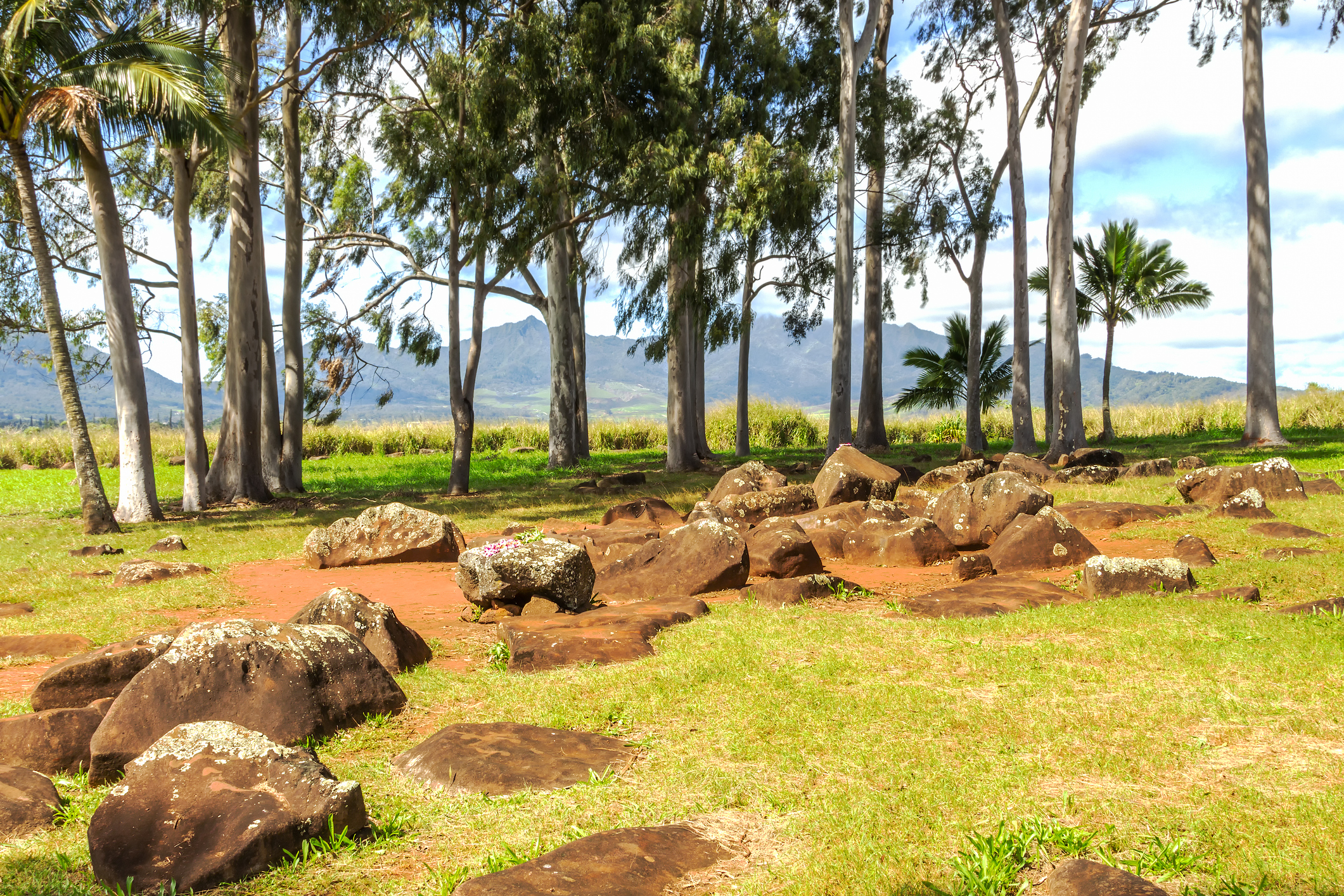
Kūkaniloko Birthstones on Oʻahu is one of the island’s most important ancient cultural sites. Community and preservation materials tied to the site describe it as a place associated with the births of high-ranking aliʻi and as a significant royal center on Oʻahu.
Today, Kūkaniloko is still approached as a place of spiritual importance rather than a conventional tourist stop. The site’s meaning is rooted in genealogy, leadership and the idea of Oʻahu’s piko, or spiritual center. That gives it a very different atmosphere from a scenic attraction, even though it is physically modest.
Puʻuloa Petroglyphs
Inside Hawaiʻi Volcanoes National Park, Puʻuloa contains one of the most extensive petroglyph fields in Hawaiʻi. The National Park Service says the site includes approximately 23,000 petroglyphs and describes it as sacred to the people of Hawaiʻi, especially those of Kalapana.
Puʻuloa is more than a place to view ancient carvings. NPS materials explain that some of the cup-like depressions, or puka, were used to cradle a child’s piko, or umbilical cord, in hopes of receiving the blessings of a long and prosperous life. The boardwalk at the site exists to help visitors experience the area without damaging the fragile lava carvings.
Hikiau Heiau
Hikiau Heiau stands at Kealakekua Bay and remains one of the best-known traditional religious sites on Hawaiʻi Island. Hawaii state park materials identify it as a traditional religious site, and Hawaiʻi Visitors & Convention Bureau materials describe it as a sacred temple dedicated to Lono.
The site is also closely tied to the events surrounding Captain Cook’s arrival in 1779, which unfolded nearby during a period of major cultural and historical tension. That history, combined with the bay’s beauty and the heiau’s sacred role, gives Hikiau Heiau unusual depth for visitors interested in both Hawaiian spirituality and Hawaiian history.
Puʻuhonua o Hōnaunau National Historical Park
Puʻuhonua o Hōnaunau is one of the most widely recognized sacred places in Hawaiʻi. The National Park Service describes it as a spiritual sanctuary and place of refuge protected by Lono, while GoHawaii notes that it once served as a refuge for those who had broken kapu and were under threat of death.
That history is what makes the site so compelling today. More than a scenic coastal park, Puʻuhonua o Hōnaunau preserves the idea of sanctuary, absolution and restored belonging. It remains one of the strongest places in Hawaiʻi to understand how spiritual belief, law and social order were once intertwined.
Keahiakawelo
Keahiakawelo on Lānaʻi, often called the Garden of the Gods, is a wahi pana, or storied place, known for its stark rock formations and otherworldly landscape. GoHawaii describes it as a rock garden on the northwest side of the island, roughly a 45-minute drive from Lānaʻi City, and notes that four-wheel drive is recommended.
Its power comes as much from story and setting as from built structures. Keahiakawelo is tied to Native Hawaiian legend, and the dramatic, almost lunar terrain gives it a sacred feel that is very different from the more formal religious sites elsewhere in the islands.
St. Benedict’s Painted Church
Not every sacred site in Hawaiʻi is Native Hawaiian in origin. St. Benedict’s Painted Church on Hawaiʻi Island reflects the islands’ Christian history and remains one of the most distinctive churches in the state. The church’s official history says it was built between 1899 and 1902, and its interior murals were painted by Father John Berchmans Velghe, a Belgian priest with no formal artistic training.
The result is a deeply memorable worship space that continues to draw both pilgrims and cultural travelers. Hawaiʻi Visitors & Convention Bureau notes that the church is an active Catholic parish and highlights its historic and artistic significance.
Visiting Sacred Sites in Hawaiʻi Respectfully
These places are not just beautiful stops on an itinerary. Many remain culturally alive, spiritually meaningful and deserving of thoughtful behavior. That means staying on marked paths, following site guidance, avoiding disturbance of stones or offerings, and approaching the experience with the same respect you would give any active place of reverence.
For travelers seeking sacred sites of Hawaii, the reward is not only scenery. It is the chance to encounter places where belief, identity and history are still felt in the land itself.
FAQ
What are the most important sacred sites in Hawaiʻi for visitors to learn about?
Some of the best-known sites include Puʻukoholā Heiau, Kūkaniloko Birthstones, Puʻuloa Petroglyphs and Puʻuhonua o Hōnaunau. Each represents a different part of Native Hawaiian spiritual and cultural life, from worship and birth to refuge and remembrance.
Are these sites still spiritually important today, or only historical?
Many are still culturally and spiritually important today. Federal, state and local stewardship materials present them not just as old landmarks, but as places that remain meaningful to Native Hawaiians and should be treated with respect.
What is the difference between a heiau and a puʻuhonua?
A heiau is a sacred place of worship, while a puʻuhonua is a place of refuge or sanctuary. Puʻukoholā Heiau and Hikiau Heiau fall into the first category, while Puʻuhonua o Hōnaunau is best known for the second.
Can visitors go to these sites casually, like any other attraction?
Visitors can go, but they should not treat them casually. Sites such as Puʻuloa and Puʻuhonua o Hōnaunau have clear guidance about staying on paths and respecting the place, because these locations are both fragile and culturally significant.
Why is St. Benedict’s Painted Church included in a list of sacred sites of Hawaii?
Because Hawaiʻi’s sacred landscape includes more than one religious tradition. St. Benedict’s reflects the islands’ Christian heritage and remains an active place of worship as well as a historic and artistic landmark.