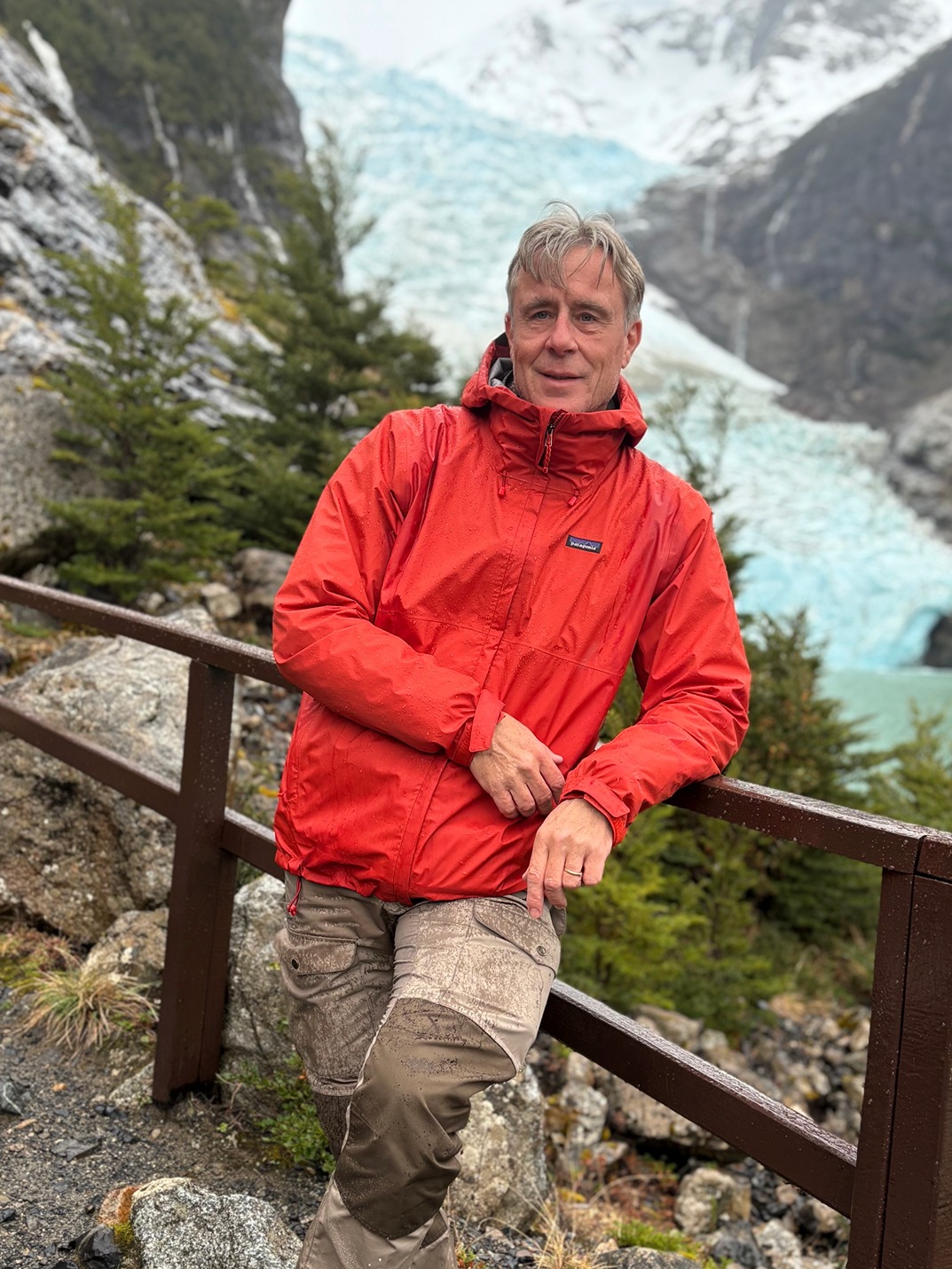
Willem Niemeijer, Founder of Khiri Travel and CEO of YAANA Ventures
You founded Khiri Travel in the early days of experiential travel. How has the definition of “adventure travel” changed since then?
When we started, adventure travel was often defined by physical challenge, trekking, diving, remote locations, and with that, a degree of discomfort. Today, with an explosion of comfortable accommodations, much better regional infrastructure, and quality service providers, it has broadened significantly. Adventure is increasingly about cultural depth, unique environments, and experiences that educate and bring travelers and the destinations closer together, a shift from “seeing” to “understanding.” Travelers want context, stories, and connection. Compared to the early days, comfort is no longer the opposite of adventure; you can have high levels of comfort while still being in very remote or meaningful places. We’re actively helping to make this happen, with, for example, Visama Explorer Nan, a luxury tented camp of just eight units, in a remote corner of Northern Thailand.
For more travel tips and ideas for groups, be sure to Download the June edition of Leisure Group Travel and Subscribe for FREE

What trends are you seeing across Asia that global tour operators should be paying attention to?
One of the most important trends is visitor dispersion. Governments and communities are actively looking to spread tourism beyond hotspots. Indonesia, for example, continues to struggle to attract travelers beyond Bali, while in the Philippines, tourism was once concentrated in Boracay, and the island had to be temporarily closed to recover from overuse. This creates a real opportunity. In Indonesia, destinations like Sumba, Flores, and Sulawesi offer compelling alternatives. In the Philippines, Cebu, Negros, and Northern Luzon provide rich experiences while reducing reliance on domestic flights. We’re also seeing strong growth in high-end, experience-led travel; clients are willing to spend more but expect depth, exclusivity, and purpose. Sustainability is increasingly a baseline expectation.
Can you share an example of a tourism business that is truly getting sustainability right and why?
Fortunately, many examples exist. One is the community of purpose-driven tourism businesses within The Long Run, which has built a framework around the 4Cs: Conservation, Community, Culture, and Commerce to drive positive impact. Members include Tahi, a New Zealand-based sanctuary where 100% of profits are reinvested into biodiversity, and Estancia Cerro Guido in Chile, which protects over 100,000 hectares while reinvesting in conservation. Both Cardamom Tented Camp and Khiri Travel are also members. What these examples share is that guests don’t just hear about conservation or community, they experience it directly. What makes it work is alignment: the business model, conservation goals, and guest experience all reinforce each other.
What are the biggest sustainability mistakes you still see in adventure travel today?
One of the biggest mistakes is treating sustainability as a marketing exercise rather than an operational reality. Certifications can play an important role here: when applied properly, they provide a framework to genuinely transform a business. For us, conservation and community have always been central, but culture is often overlooked and not always easy to integrate in a commercial context. We’re addressing this through initiatives like an artist-in-residence program at Cardamom Tented Camp, and by working with the Thai Film Archive to showcase classic Thai films in the silent “cinema paradiso” at Visama Explorer Nan. There’s also a tendency to underestimate the importance of community engagement. If local communities don’t see clear benefits, tourism becomes extractive rather than regenerative.
With operations spanning multiple countries, how do you ensure local communities genuinely benefit from tourism?
It starts with hiring and sourcing locally wherever possible, which creates an immediate economic impact. Beyond that, we focus on long-term relationships: training, career development, and working with local suppliers who grow with us over time. We also support grassroots initiatives through our Khiri Reach program, where staff actively engage with community and environmental projects, often co-funded with our travel trade partners. Importantly, we aim to direct tourism into less-visited areas, where it can have a more meaningful impact. Ultimately, it’s about consistency, small, ongoing actions across all destinations that together create lasting benefits.
For more travel tips and ideas for groups, be sure to Download the June edition of Leisure Group Travel and Subscribe for FREE