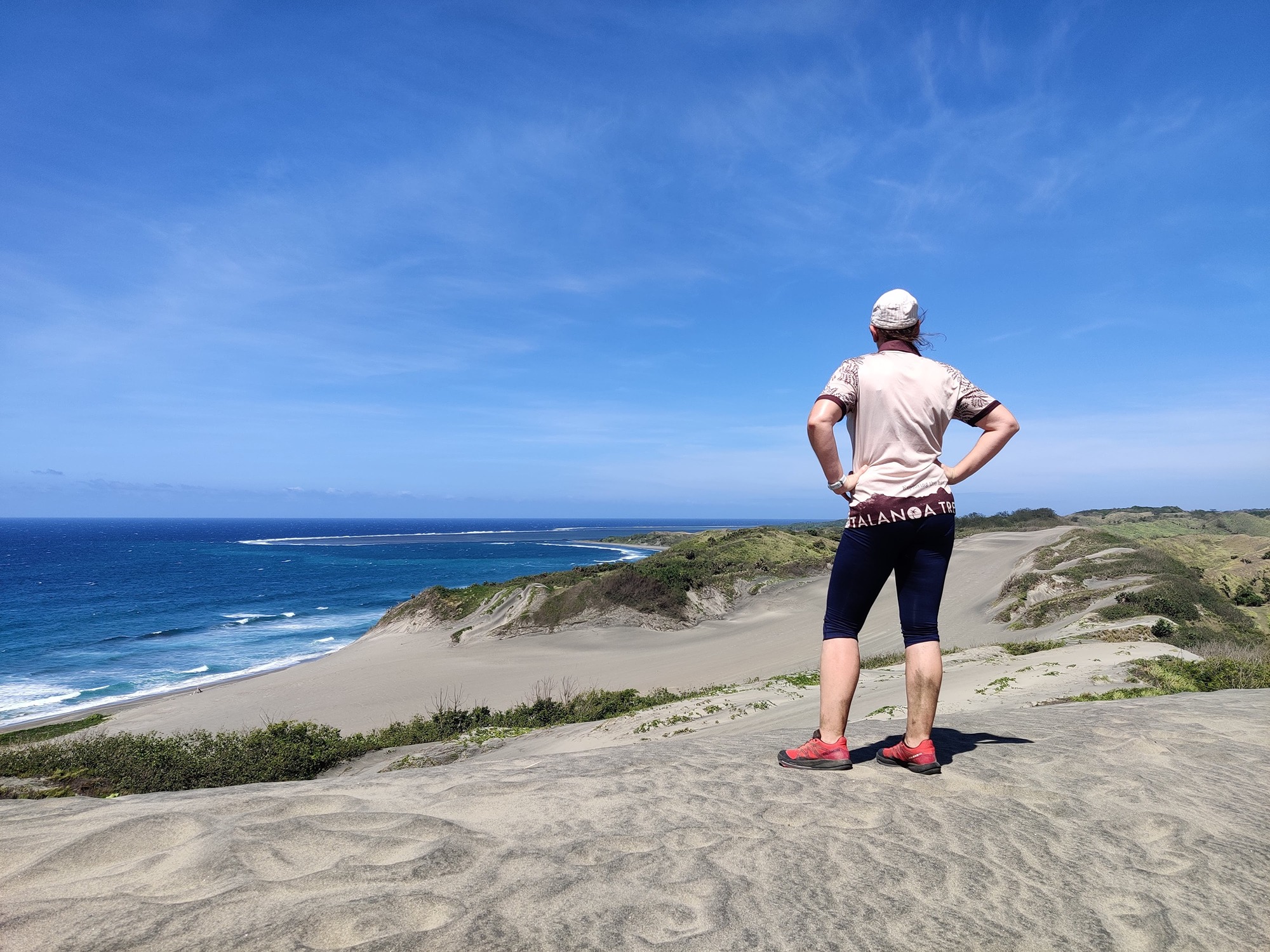
Marita Manley, Director and Principal Consultant at Talanoa Consulting
What’s one thing operators often misunderstand about working with local communities?
There’s a narrative within the tourism sector that implies that communities should somehow be grateful for being part of the industry. That ‘giving back’ as part of your trip is charity. For us, if we are serious about supporting communities that want to be part of the industry to do so, it shouldn’t be about finding ways to give back or donate, but about building equitable systems from the beginning. This means supporting communities to develop and run their own businesses on their terms, to decide when and how they want to host visitors, and to benefit meaningfully from tourism.When we first started hosting familiarization trips and media, we were really grateful to be able to show people the reality on the ground, but we were never going to ask our community partners to host for free. Nurturing connections to the community means adhering to the values of equitable systems.Where the system is inequitable, change it.
For more travel tips and ideas for groups, be sure to Download the June edition of Leisure Group Travel and Subscribe for FREE

“Sustainable tourism” is often overused. What does it actually look like when it’s done right?
Sustainable tourism is a term that has definitely been overused, and I fear that we’re going the same way with regenerative tourism, too, as the latest buzzword. For us, to sustain anything means people want it to continue and invest in making that a reality for future generations. For our environment, that means supporting the health and restoration of our ecosystems so that they can continue to deliver clean water, healthy food, and coastline protection for communities. For society, it means equitable systems that ensure those who are investing time in delivering services are valued. This means also supporting systems that enable remote and marginalized communities, and indigenous-led enterprises to thrive. When done well, tourism is shaped by the communities delivering the experiences.
They are supported to develop and grow their own businesses and have equitable partnerships with other actors in the value chain.
How do you measure whether tourism is delivering real benefits, especially for women and marginalized communities?
Measuring impact is a really important topic for the industry right now. For us, we’ve always invested in making our accounts open to our partners, and in regular review meetings that discuss progress, we discuss the financial and non-financial benefits that communities are seeing. This can include leveraging additional finance for community-led conservation. We have an ongoing partnership with NatureFiji-MareqetiViti supporting agro-forestry and grassland rehabilitation led by our Trip Leader and Conservation specialist, Jake Taoi. Measuring all of this is challenging for small businesses. Larger businesses with dedicated sustainability departments can invest in measurement tools. But that’s not an excuse; simple Google sheet monitoring systems are better than nothing and help shine the light on where everyone has more to do in terms of creating impact.
Where do you see the biggest gaps between sustainability commitments and reality?
Impact measurement is important, but just because an organisation can measure how much water they lose when someone gets into a pool, or the amount of food waste their buffet breakfast creates, this shouldn’t be used to elevate a large organisation trying to reduce their environmental impact above a small enterprise that doesn’t have a pool and produces no food waste as it is used in their gardens. Don’t get me wrong, from an environmental perspective, I absolutely want to see the large entities in the tourism space on a trajectory of improved performance, but I cringe when I see them shouting about their certifications and using them as part of their marketing. Introduce the systems to measure, tell your guests you are doing it, be accountable for your operations, but the moment you’re using it as part of your marketing strategy, it is no longer about sustainability-it is greenwashing.
For more travel tips and ideas for groups, be sure to Download the June edition of Leisure Group Travel and Subscribe for FREE