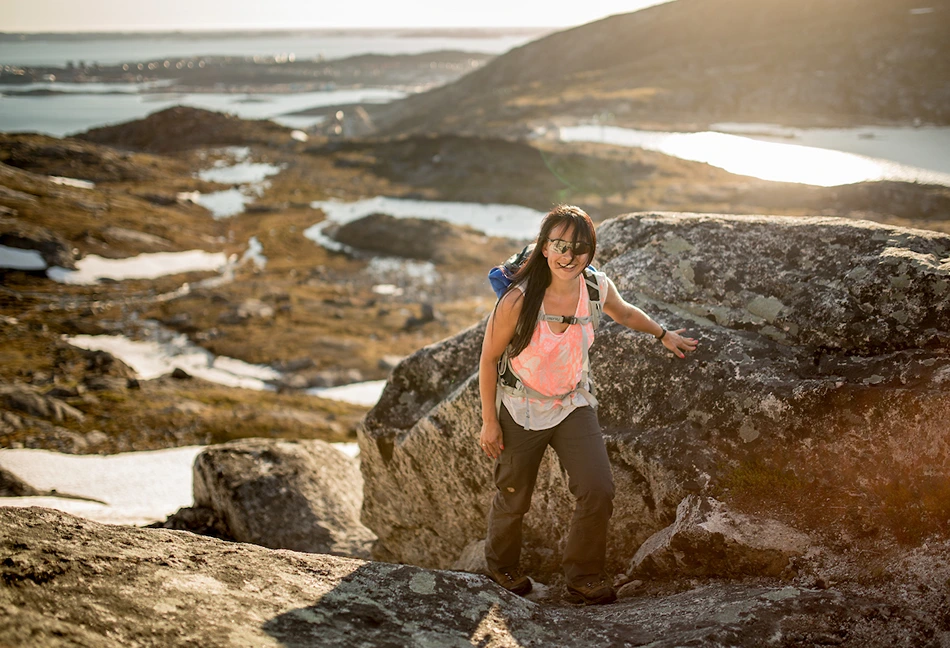
Lykke Geisler Yakaboylu, Founder and Owner of Sila Greenland DMC
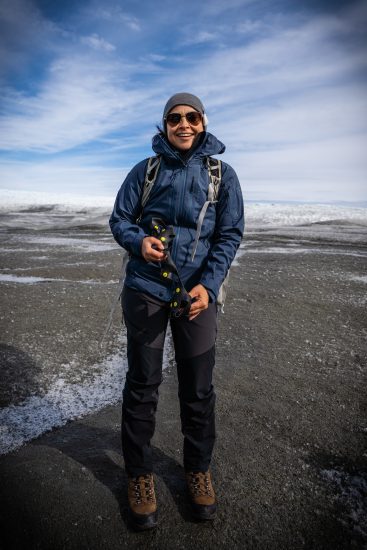
What role do local communities play in shaping the experiences you offer?
I work with local operators who are born and raised in Greenland, where nature is part of our daily lives. We all hunt and fish to fill the freezer and know exactly where to go for Arctic Char or cod. We have no roads connecting our towns and settlements, and we have more boats than cars. This means that to experience Greenland, you will need to take boat tours to explore its natural beauty. With local operators, you will get a lot of knowledge about what it is like to live in the Arctic. I create bespoke itineraries that can include fishing or collecting mussels to be prepared with your guide or host in nature. The local operators are proud to showcase Greenland to visitors and offer truly unique experiences.
For more travel tips and ideas for groups, be sure to Download the June edition of Leisure Group Travel and Subscribe for FREE
How do small-group, bespoke trips help support a more sustainable model of tourism?
Greenland has always been an expensive destination due to the logistics, limited accommodation, and operator capacity. When I left Visit Greenland in 2018 after 20 years, I knew I wanted to create bespoke trips for small groups rather than compete with the many agents who offer scheduled departures. I also understood that it is difficult for travelers (and agents) to put together itineraries across destinations in Greenland. Due to the distances in Greenland, one operator typically offers tours only in their local area. I had a client in 2019 who wanted to visit the world’s northernmost inhabited place, a tiny settlement called Siorapaluk, north of Qaanaaq. There is one flight a week to Qaanaaq, and he asked if they could charter a helicopter. It was not until I told him that the distance between Ilulissat and Qaanaaq is the same as from Chicago to New York that he understood.
How do you work with local operators to ensure authenticity while maintaining high standards for international clients?
I work to manage expectations on both sides, which isn’t always easy. International clients need to understand that standards in Greenland are not the same as those they experiencein most other places. We don’t have 5-star hotels, but we have 5-star experiences. It ismagic when the local operator and the guests have authentic experiences together. Like when you are visiting a village and are invited to a local celebration for a birthday or confirmation. These things are actually happening in Greenland. Orwhen a humpback whale appears in front of your kayak and the Northern Lights appear just after you finish your dinner. We often have delays due to bad weather or technical issues. The operators do their best to accommodate the clients and offer other experiences or rearrange the program, so that you visit the museum instead of going kayaking in high waves. The local operators need to be good communicators, and the clients need to be patient. I sometimes have clients calling to say the driver hasn’t arrived to pick them up for their activity, 5 minutes before they are supposed to be picked up. The drive is usually no more than 5-10 minutes, simply because we have a limited road network. But of course, the operator should inform the client of a delay.
What advice would you give to others looking to build tourism businesses in remote or emerging destinations?
When dealing with tourism in remote destinations, it’s essential to listen to the local knowledge and explore how tourism can support the preservation of nature and culture. For example, I’m working with Greenland Dog Adventure to preserve the dog-sledding culture through tourism in Sisimiut. Genetically, the Greenland sled dog is the world’s oldest dog breed. With modern technology, we don’t need dogs the way we did 50 years ago, when my grandparents used sleds for transportation and hunting. In some areas, this is still the case, but the number of sled dogs is decreasing. Through tourism, we can give the dog a new purpose and preserve the dog as well as the knowledge about how to build sleds.
For more travel tips and ideas for groups, be sure to Download the June edition of Leisure Group Travel and Subscribe for FREE